
Add us as your preferred source on Google to see more of our content in Search.
 Add to Preferred Sources
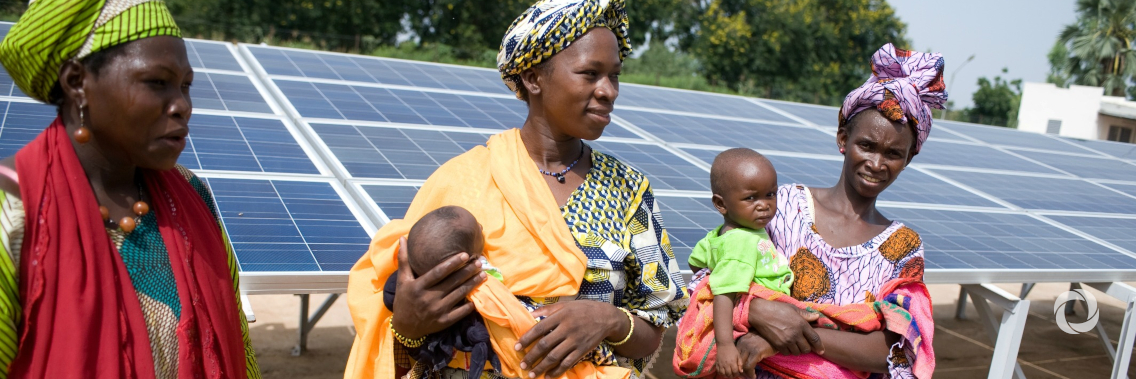
The World Bank’s Board of Executive Directors approved a $22.7 million financing to support Mali’s efforts to improve access to modern services and promote the deployment of renewable energy in rural areas.
The financing package is composed of a $20 million equivalent credit from the International Development Association (IDA) and a $2.7 million grant from the Japan Policy and Human Resources Development Fund.
The overall project is expected to benefit approximately 760.000 people, which includes the households, businesses, and community service facilities that are connected to the mini-grids, and the consumers that have access to electricity through solar home systems and portable solar lanterns.
“Access to basic infrastructure services is critical for the creation of economic opportunities and the eradication of extreme poverty. By introducing lower-cost renewable energy generation in diesel mini-grids, the project contributes to reducing operating costs. It also addresses the gender gap by strengthening ongoing actions to ensure that women, including female-headed households, are trained, have access to information and can benefit from electricity services and income-generating activities,” said Soukeyna Kane, World Bank Country Director for Mali.
The grant will also support the installation of solar home systems in households not living within the vicinity of a mini-grid, the deployment of solar lanterns, and the delivery of communication and awareness-raising campaigns in targeted areas. It is provided as part of Japan’s technical assistance program to increase the delivery of off-grid electricity and other energy services in rural areas of fragile and conflict-affected states in African Countries.
“By introducing lower-cost financing for renewable energy generation in rural areas, the project contributes to reducing the cost of providing affordable and reliable electricity services, facilitates the expansion of energy access, and strengthens Mali’s rural electrification business model,” said Charles Joseph Cormier, World Bank Practice Manager, Energy and Extractives Global Practice.
This financing complements parallel efforts deployed by the World Bank Group and the government of Mali to create the enabling conditions for the reform of the electricity sector and facilitate the shift towards low-cost electricity supply in both urban and rural areas.
Original source: World Bank
Published on 23 July 2019