
Add us as your preferred source on Google to see more of our content in Search.
 Add to Preferred Sources
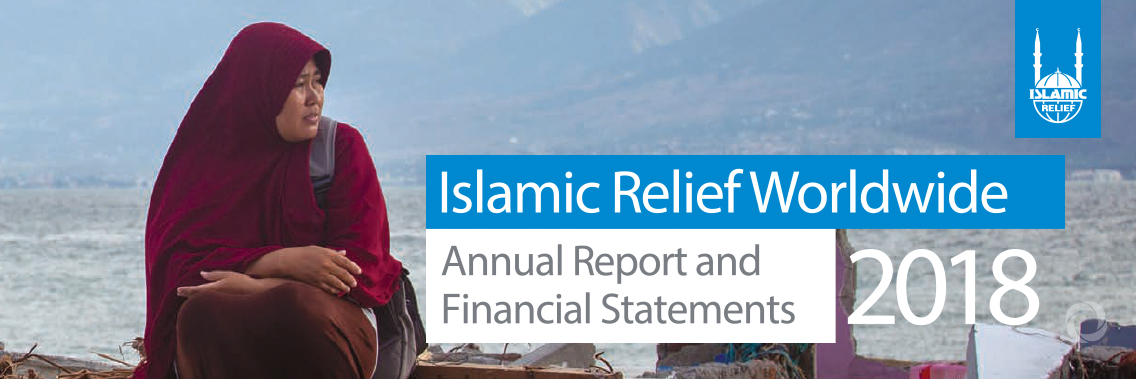
As Islamic Relief launches its 2018 Annual Report it calls on the world to act fast to end the war in Yemen.
“We know the world has the means to end this war, but it needs to act now,” said Naser Haghamed, CEO of Islamic Relief Worldwide – commenting on the world’s worst humanitarian crisis, which looms large in the charity’s latest annual report.
“This is a man-made tragedy that has left 80% of the population in desperate need of aid, some of them on the brink of famine.”
Yemen remains the worst humanitarian crisis in the world according to the UN, and it is worsening. 380,000 cases of cholera were reported in 2018, and by July 2019 there have already been 460,000 cases. Deaths from cholera are also on the rise, almost half of them children.
Islamic Relief is at the forefront of responding to the crisis, operating in 19 of Yemen’s 22 governorates. In 2018, amidst the dangers of war, our teams fearlessly delivered food and emergency nutrition trucked water into camps and supported health centres, reaching over 1.2 million people.
But with over 24 million now in need, there is only so much we can do.
“These figures are truly alarming yet funding remains dangerously low,” said Naser. The United Nations’ Yemen Humanitarian Response Plan needs $4.2 billion to deliver humanitarian assistance this year but only 32% of those requirements have been met.
In 2018 IR supported almost 2.5 million people globally through 267 development programmes. Also, the organization delivered the largest ever Ramadan and Qurbani food distribution projects and the number of orphans it sponsored reached 60,000.
“It is only by working together that we can make the world a safer and fairer place,” said Naser. “I am deeply grateful for all those who continue to support our work. In 2018 we received the support and funding of major humanitarian actors, as well as individuals in some of the poorest parts of the world.
Read and download the 2018 Annual Report.
Original source: Islamic Relief
Published on 31 July 2019