
Add us as your preferred source on Google to see more of our content in Search.
 Add to Preferred Sources
The Maduro regime’s corruption and mismanagement have led to the destruction of Venezuelan social services and crumbling public infrastructure, contributing to the deepening humanitarian crisis.
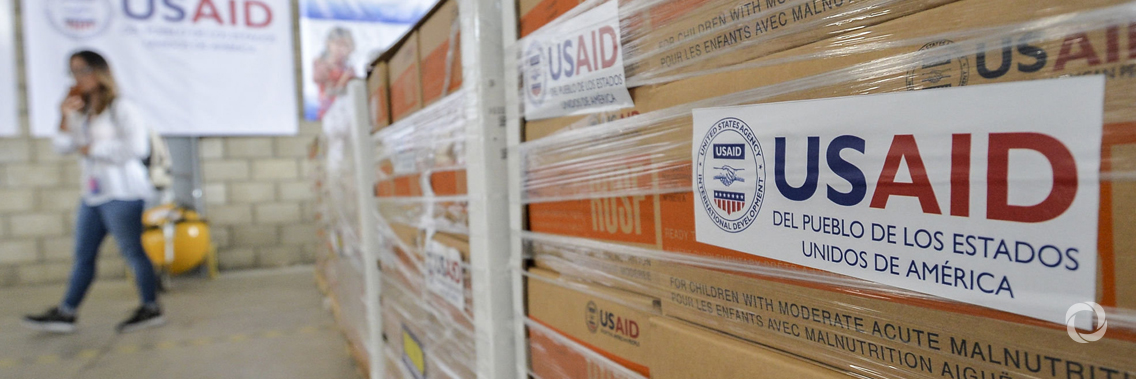
The United States is supporting our Hemispheric partners in addressing the needs of Venezuelans who have fled to the region and stands ready to provide assistance inside Venezuela.
Interim President Juan Guaidó and the Venezuelan National Assembly have stressed the need for immediate international humanitarian assistance. In response, the United States remains ready to support independent, impartial humanitarian organizations to provide aid throughout Venezuela, as conditions and safe access to people in need allow.
The United States also continues to support the response to the Venezuelan crisis throughout Latin America and the Caribbean. Since Fiscal Year 2017, the U.S. has provided more than $256 million, including more than $213 million in humanitarian assistance and approximately $43 million in economic and development assistance. This aid reaches hundreds of thousands of people affected by this crisis with urgently needed assistance while building neighboring countries’ long-term capacity to host Venezuelans.
The United States is providing humanitarian assistance and support for vulnerable Venezuelans in 16 countries in the region. In particular, the United States funds U.N. agencies and non-governmental organizations to provide immediate, life-saving assistance, such as food, health care, protection, and shelter, to Venezuelans and the communities that are hosting them so generously.
The United States stands ready to help Venezuelans to rebuild their country after the devastation of Maduro’s man-made crisis. In addition, to support for free and fair elections, the United States is prepared to assist in the long-term recovery of entire sectors of Venezuelan society, including health, agriculture, energy, and economic and democratic institutions.
Original source: USAID
Published on 05 August 2019