
Add us as your preferred source on Google to see more of our content in Search.
 Add to Preferred Sources
Nexus for Development (Nexus) announced the issuance of over 28,000 carbon credits on behalf of Nazava Water filters under the Gold Standard.
This is the first time that high-quality water filters in Indonesia are recognized by an international certification body for climate mitigation impacts.
These credits are now available for individuals or organizations to compensate their emissions and achieve carbon neutrality whilst supporting positive social impacts.
“We are thrilled to witness Nazava’s growth over the years and how their initiative has been playing a major role in Indonesia, providing access to safe drinking water to remote and underserved communities. This first credit issuance is a major step, providing an international certification of their climate change mitigation impact and a source of revenue to support implementation on the ground,” said Chanvibol Meng, Nexus Technical Services Manager, in charge of coordinating the issuance process.
Today, according to the World Bank more than 70% of the nation’s 260 million people rely on potentially contaminated water sources. Simultaneously, an estimated 566,600 deaths are attributable to household air pollution, which also affect children – namely from boiling water for purification.
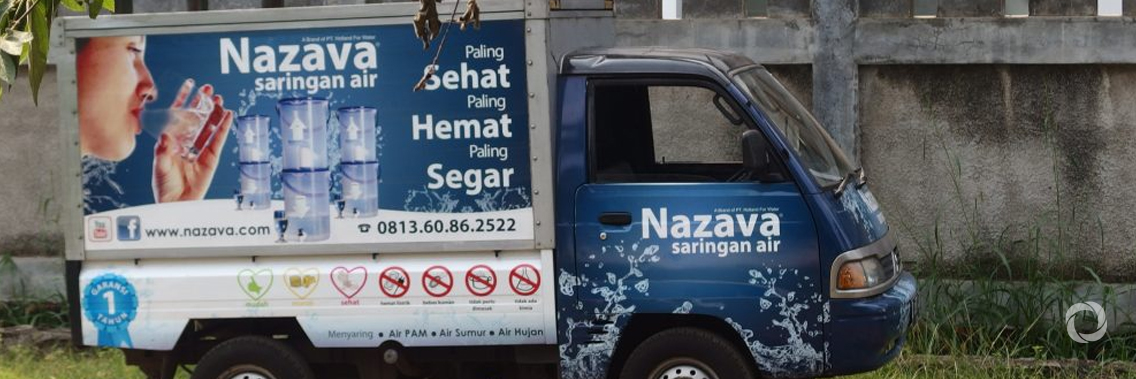
Nazava water filters turn contaminated well, tap, river and rainwater into water that is safe to drink without the need to boil the water first. A Nazava water purifiers provides households with the convenience of a free flow of drinking water in their house. Households with a Nazava water filter save money on fuel and spend less time on mundane task like boiling and fuel collection. Nazava sells filters through more than 100 resellers living all across Indonesia. Simultaneously, the organization is also focused on education, working at the village level and with local organizations to train households on water purification. This approach was developed through local expertise on the ground, targeting long-lasting change in the archipelago.
Original source: Nexusfordevelopment
Published on 06 August 2019