
Add us as your preferred source on Google to see more of our content in Search.
 Add to Preferred Sources
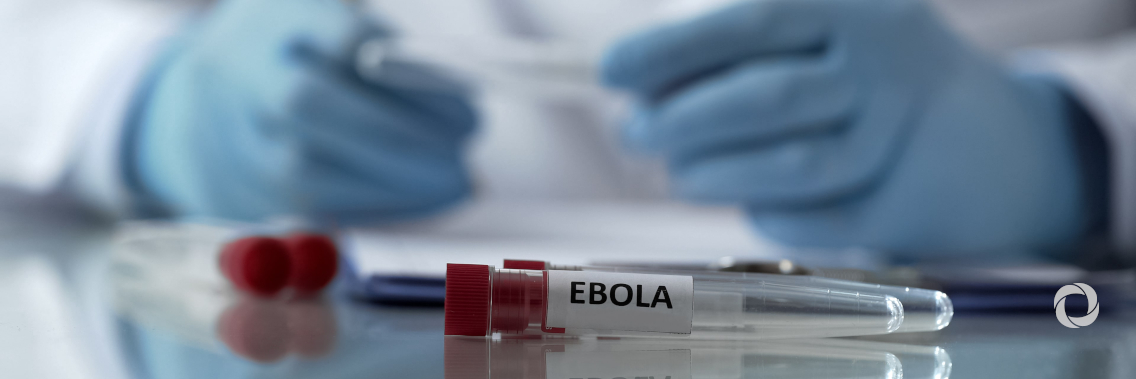
The co-sponsors of the Ebola therapeutics trial in the Democratic Republic of the Congo (DRC) have announced advances that will bring patients a better chance of survival.
Two out of the four drugs being tested are more effective in treating Ebola. Moving forward, these are the only drugs that future patients will be treated with. Details of the changes are available in this WHO/NIAID/INRB release.
This WHO initiative is the first-ever multi-drug randomized control trial aimed at evaluating the safety and efficacy of four drugs used for the treatment of Ebola patients. Initially developed as a multi-outbreak, multi-country study, PALM (“Together save lives”) was launched in November 2018. It is part of the emergency response in DRC, in collaboration with a broad alliance of partners, including the DRC’s National Institute for Biomedical Research (INRB), Ministry of Health, National Institute of Allergy and Infectious Diseases (NIAID), which is part of the United States’ National Institutes of Health, Alliance for International Medical Action (ALIMA), Médecins Sans Frontières (MSF), the International Medical Corps (IMC), and other organizations.
WHO is committed to continuing to work closely with the ministries of health of DRC and neighboring countries, and other international partners to ensure the outbreak response remains robust and well-coordinated.
Original source: WHO
Published on 12 August 2019