
Add us as your preferred source on Google to see more of our content in Search.
 Add to Preferred Sources
Demand for illegal wildlife products in Asia is not only driving wildlife population declines in the region but across the globe. Tigers, elephants and rhino will be some of the species to take the spotlight in relation to the illegal trade in Asia at the upcoming 18th meeting of the Conference of the Parties (CoP18) to the Convention on International Trade in Endangered Species of Wild Fauna and Flora (CITES) in Geneva.
Vietnam is now the largest destination for illegal shipments of elephant ivory and rhino horn according to independent analyses presented to the meeting by TRAFFIC, the global wildlife trade monitoring network, the International Union for the Conservation of Nature (IUCN) and the Environmental Investigation Agency (EIA). These wildlife products are either consumed in the country, or maybe shipped on to other destinations in Asia.
“Vietnam has been a country of great concern for its role in the illegal wildlife trade for many years now and although there have been significant steps forward in relation to improved policy to address illegal trade, it’s clear that much more has to be done. WWF is encouraging CITES to look closely at Vietnam’s compliance,” says Margaret Kinnaird, WWF Wildlife Practice Leader.
In addition to Vietnam, its neighbours Lao PDR, Thailand and China are key countries of concern, particularly when it comes to tiger farms. For now, China has banned all trade in tiger parts, but the continued existence of state-run tiger farms, with thousands of captive tigers creates political pressure and economic incentive for trade from captive tigers to be allowed in the future.
This CITES CoP will be the busiest to date with a record number of proposals to discuss the trade-in other iconic species such as saiga antelope, lions, rhino and jaguars as well as weird and wonderful creatures like the spider-tailed horned viper. Their fate will be greatly impacted by the outcomes of the trade discussions set to take place over the course of the two weeks.
Whilst marine turtles have survived for 120 million years, six out of seven species are now assessed as threatened with extinction (‘vulnerable’ to ‘critically endangered’) according to the IUCN Red List of Threatened Species. According to the CITES Secretariat, over the last couple of years, Indonesia, Malaysia and Vietnam have played a major role in the unsustainable trade of Hawksbill and other turtles. WWF is calling for stronger measures to be directed at range and consumer countries and for CITES to hold these countries accountable over the coming years.
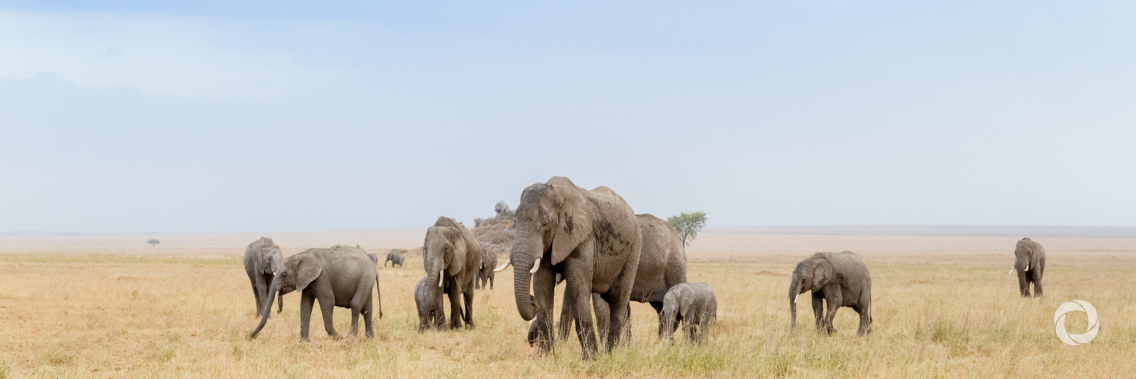
As always, elephants feature heavily on the conference agenda. WWF is calling for CITES to prioritise action with regard to countries that, either through lack of capacity or lack of political will, are implicated in the illegal ivory trade. These include Burundi, Gabon, Togo, Nigeria, Mozambique, Zimbabwe, United Arab Emirates, Lao PDR, Malaysia and – above all – Vietnam.
Finally, underpinning many of the species being discussed, including the near-extinct vaquita porpoise is the important role that Natural World Heritage Sites play in their conservation. These unique places host a high proportion of the remaining populations of such endangered species, and many are menaced by illegal hunting, fishing and logging. WWF is supporting measures to strengthen cooperation between CITES and the UNESCO World Heritage Convention.
Original source: WWF
Published on 16 August 2019