
Add us as your preferred source on Google to see more of our content in Search.
 Add to Preferred Sources
UN High Commissioner for Refugees Filippo Grandi concluded a four-day visit to Brazil with an urgent appeal for increased international engagement, including by financial institutions and development actors, in the communities hosting Venezuelan refugees and migrants.
“The solidarity of the people of Brazil with the Venezuelan refugees and migrants has been exemplary. But the impact on the host communities in states such as Roraima and Amazonas, has been overwhelming,” said Grandi, speaking from the Brazilian capital.
“I was told that in some border communities, 40 percent of patients and 80 percent of women giving birth in hospitals are from Venezuela. There has been a similar impact on education, employment, housing and social services. It is vital that efforts by the authorities at the federal, state and municipal levels, as well as by civil society, Church groups and ordinary Brazilians, are adequately supported by the international community. Local people have been at the forefront of the response to the needs of Venezuelan refugees and migrants. They must not be left alone.”
There are over 180,000 Venezuelan refugees and migrants in Brazil. An average of 500 arrive daily – most in urgent need of humanitarian assistance – in the northern state of Roraima, which is geographically isolated from the rest of the country and has the lowest per capita income and few economic opportunities.
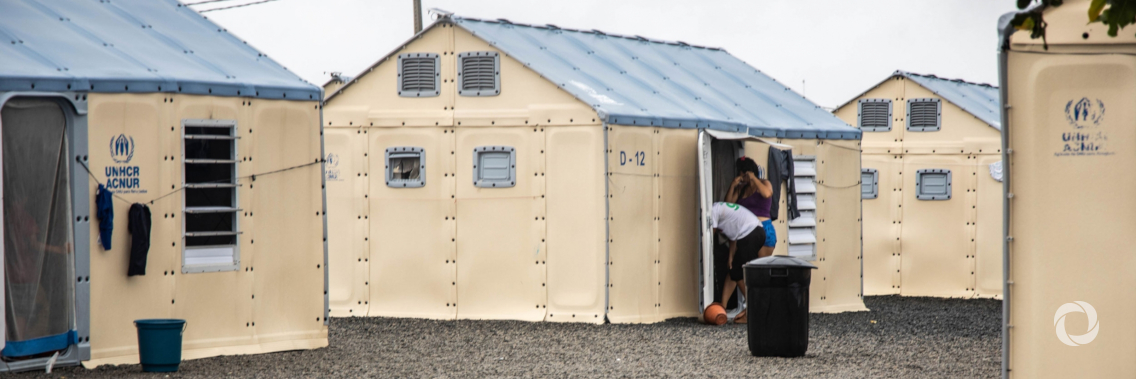
To respond to the humanitarian needs created by the influx from Venezuela, the Federal Government launched an initiative (Operacao Acolhida) coordinated by the Brazilian Armed Forces, to provide registration and documentation upon arrival, as well as emergency humanitarian assistance, including food and temporary shelter.
Grandi acknowledged Brazil’s leadership in refugee issues and its active participation in the regional response to the massive outflow of Venezuelans.
Grandi’s appeal is in line with the Global Compact on Refugees which calls for greater support to refugees and the communities that host them, often among the poorest in the world, and also aims to help refugees become more self-reliant so that they can contribute more to their own future and to that of the host community.
Original source: UNHCR
Published on 19 August 2019