
Add us as your preferred source on Google to see more of our content in Search.
 Add to Preferred Sources
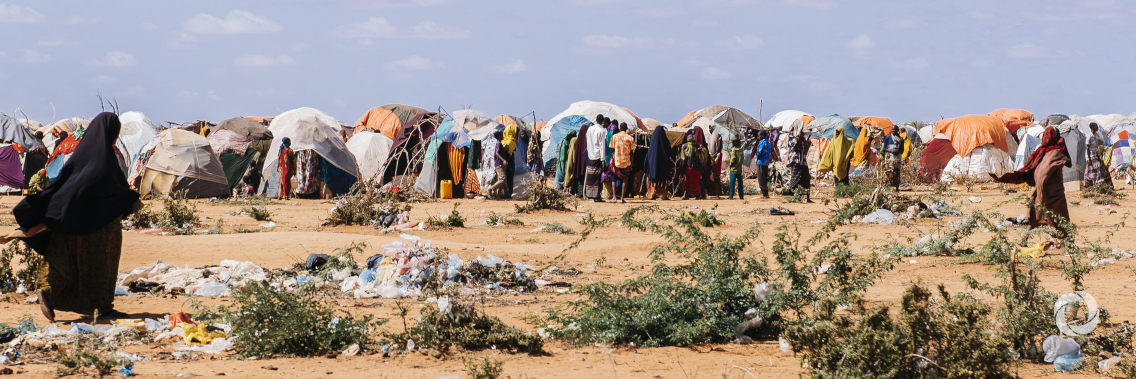
Somalia is facing its worst harvest since the 2011 famine, but early action from humanitarian organizations has helped halt hunger for 1 million Somalis.
Early action from humanitarian organizations has helped protect 1 million Somalis from facing acute hunger, said the Under-Secretary-General (USG) for Humanitarian Affairs and Emergency Relief Coordinator Mark Lowcock. But the country is facing its worst harvest since the 2011 famine.
“As a result, up to six million people are now projected to be food insecure over the coming months. A third of them will be severely food insecure without sustained aid. And climate-related events will continue to have deleterious effects on the humanitarian situation in Somalia,” Mr. Lowcock said.
Much of the country experienced poor and erratic rains, while other parts experienced heavy rains that flooded crops. Over the past 30 years, droughts have become more intense and frequent in Somalia, while much of Somalia’s infrastructure is dilapidated as a result of the decades-long conflict and lack of investment, undermining the country’s ability to cope.
Sustained funding in humanitarian action is urgently needed, as well as investment in resilience efforts to protect Somalis from future shocks relating to climate change. Unless we scale up efforts to prevent their effects, climate shocks will continue to reverse the gains Somalia has made so far. At the same time, conflict and marginalization contribute to suffering in Somalia, and efforts to shore up stability must be sustained.
Original source: UNOCHA
Published on 13 September 2019