
UNICEF rushes medical kits to health centers and vaccinates thousands more children in Democratic Republic of the Congo
Add us as your preferred source on Google to see more of our content in Search.
 Add to Preferred Sources
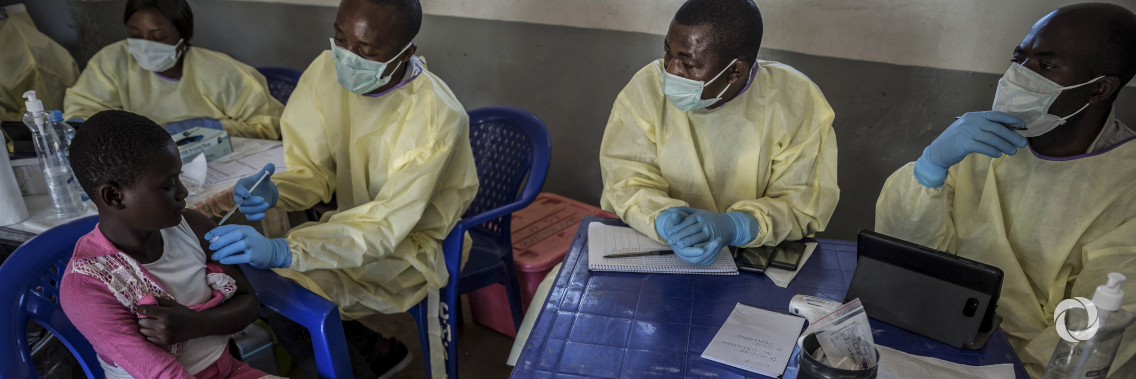
UNICEF is vaccinating thousands more children against measles and rushing life-saving medicines to health centers across the Democratic Republic of the Congo (DRC), as deaths from the world’s largest measles outbreak top 4,000.
Since January, 203,179 cases of measles have been reported in all 26 provinces of the country, and 4,096 have died. Children under the age of five represent 74 percent of infections and nearly 90 percent of deaths. The number of measles cases in DRC this year is more than triple the number recorded for all of 2018. The measles outbreak in DRC has become far deadlier than Ebola, which to date, has taken 2,143 lives.
“We’re fighting the measles epidemic on two fronts – preventing infections and preventing deaths,” said UNICEF Representative in the DRC, Edouard Beigbeder. “Along with the government and key partners, UNICEF has been racing to vaccinate children against measles, and at the same time, supplying clinics with medicines that treat symptoms and improve the chance of survival for those already infected.”
This week and next, an additional 1,111 medical kits are being delivered to health centers in measles hot-spots. The kits contain antibiotics, rehydration salts, Vitamin A, pain relievers, antipyretics and other supplies to care for over 111,000 people infected with the highly contagious and potentially deadly viral disease.
Over the past year, UNICEF supplied more than 8.6 million doses of the measles vaccine for emergency outbreak responses rolled out by multiple organizations. UNICEF has led outbreak responses in eight hard-hit provinces—vaccinating more than 1.4 million children. The most recent concluded last month in Kasai Central, where over 210,000 children were vaccinated.
“We’re facing this alarming situation because millions of Congolese children miss out on routine immunization and lack access to health care when they fall sick,” said Beigbeder. “On top of that, a weak health system, insecurity, community mistrust of vaccines and vaccinators and logistical challenges all contribute to a huge number of unvaccinated children at risk of contracting the disease.”
Two doses of the measles vaccine are recommended and roughly 95 percent of the population needs to be vaccinated to ensure immunity and prevent outbreaks, according to the World Health Organization. In DRC, measles immunization coverage was only 57 percent in 2018.
Original source: UNICEF
Published on 09 October 2019