
Add us as your preferred source on Google to see more of our content in Search.
 Add to Preferred Sources
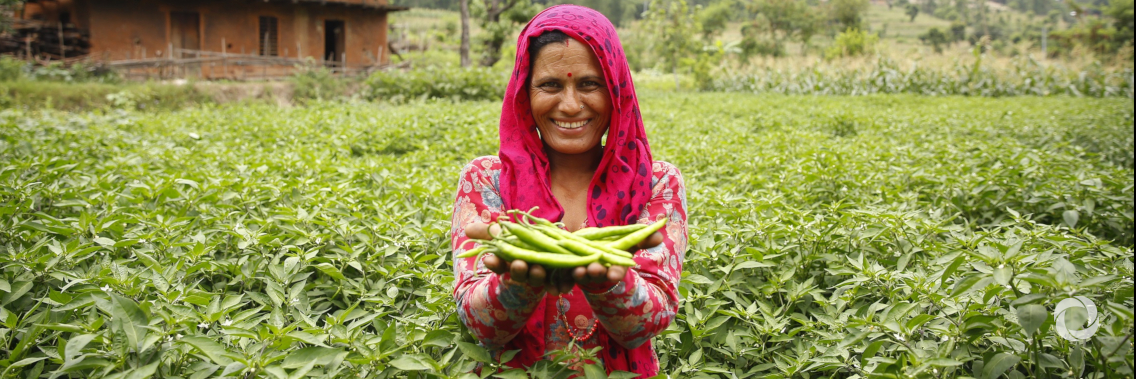
Rural women and girls across the world are a “powerful force” in global action to respond to climate change, according to the UN Secretary-General António Guterres.
In a message to mark the International Day of Rural Women, observed annually on 15 October, the UN chief said that “listening to rural women and amplifying their voices is central to spreading knowledge about climate change and urging governments, businesses and community leaders to act.”
The theme for this year’s celebration is “Rural Women and Girls Building Climate Resistance.”
Mr. Guterres added that “they are a repository of knowledge and skills which can help communities to use nature-based, low-carbon solutions to adapt to what the UN considers the defining issue of our time.”
“As early adopters of new agricultural techniques, first responders in crises and entrepreneurs of green energy, rural women are a powerful force that can drive global progress,” he said.
Globally, one in three women works in agriculture, according to the International Labour Organization (ILO).
It is a sector that gets hit hard when climate-related disasters strike, such as droughts and heatwaves. The UN’s Food and Agriculture Organization (FAO) reports that between 2006-2016, a quarter of total damage and loss caused by climate-related disasters in developing countries occurred in agriculture.
While women cultivate land, collect food, water and essential fuels, and sustain entire households, the UN chief pointed out that they lack equal access to land, finances, equipment, markets and the power to make decisions.
“Climate change exacerbates these inequalities, leaving rural women and girls further behind,” he said, adding that women “suffer disproportionately” in climate disasters.
The International Fund for Agricultural Development (IFAD) estimates that around 40 percent of the global population, or some three billion people, live in the rural areas of developing countries, most of whom depend on small family farms to earn a living.
The agency believes that investing in rural people is the long-term solution to problems the world currently faces such as hunger, poverty, youth unemployment and forced migration.
Promoting gender equality is an IFAD priority because “when women are empowered, families, communities and countries benefit”.
Original source: UN News
Published on 14 October 2019