
Add us as your preferred source on Google to see more of our content in Search.
 Add to Preferred Sources
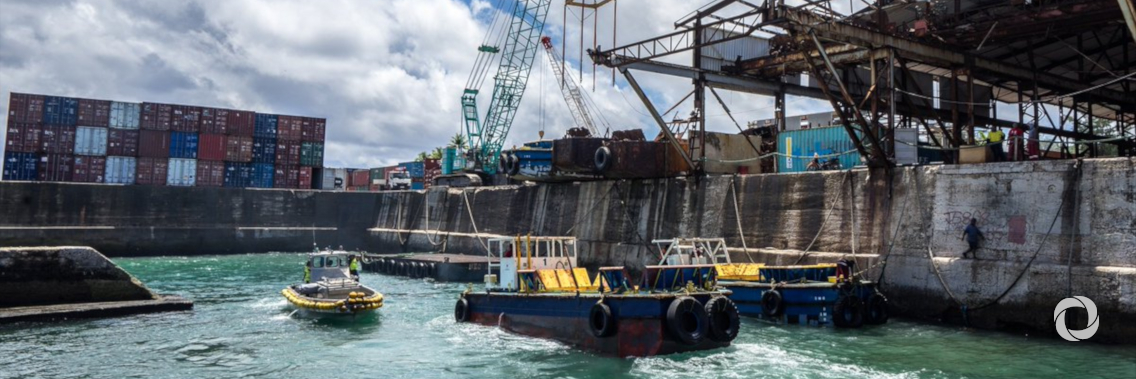
With support from the Asian Development Bank (ADB), work has begun to transform the Aiwo Boat Harbor area, which will help make it Nauru’s first international and cargo terminal, improving the country’s maritime trade and connectivity.
“The efficient, reliable, and climate-resilient port that will be built will be a lifeline to the people of Nauru,” said the Regional Director of ADB’s Pacific Liaison and Coordination Office in Sydney Ms. Lotte Schou-Zibell.
“The construction of this climate-resilient infrastructure greatly enhances the ability of the world’s smallest island country to withstand the climate effects of rising sea levels and increasingly intense weather events such as storms and cyclones,” said the Director of the Green Climate Fund’s (GCF) Mitigation and Adaptation Division Mr. Jerry Velasquez. ”The port will also support low-carbon maritime transport connections to the Pacific region and the rest of the world.”
Financed by ADB, GCF, and the governments of Australia and Nauru, the Nauru Sustainable and Climate Resilient Connectivity Project will increase the Pacific island nation’s trade opportunities and promote economic recovery.
Nauru is among the most vulnerable countries, globally, to natural disasters and the effects of climate change. The new port will be climate-proofed to allow large vessels to berth with the construction of a wharf featuring a berth pocket and breakwater. Port security will be established to ensure compliance with international best practices, while a container storage area will be built. The project will support the Port Authority of Nauru to introduce institutional reforms.
With a population of about 13,000 people, Nauru is highly dependent on maritime transport for its habitability. Nauru will greatly benefit from the upgraded port infrastructure, allowing for more cost-effective and timely delivery of essential supplies and may provide for alternative sources of domestic revenue.
Original source: ADB
Published on 21 October 2019