
More than half of South Asian youth are not on track to have the education and skills necessary for employment in 2030
Add us as your preferred source on Google to see more of our content in Search.
 Add to Preferred Sources
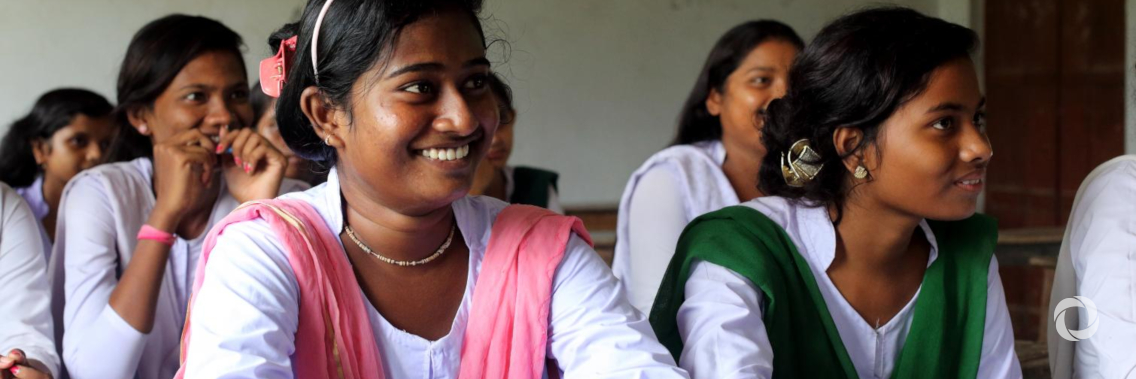
An estimated 54 percent of South Asian youth leave school without the necessary skills to get a decent job in the next decade, according to data produced by the Global Business Coalition for Education (GBC-Education), the Education Commission, and UNICEF.
According to the data, South Asia lags behind several other regions in preparing the next generation of young people with the skills they will need for 21st-century work. Projections place South Asia well below the global average. This builds on the estimates UNICEF produced with the Commission last year on the projected learning outcomes in 2030 for all South Asian countries.
“Every day, nearly 100,000 young South Asians – a large sports stadium of young people – enter the labour market, almost half of them not on track to find 21st-century jobs,” said Henrietta Fore, UNICEF Executive Director. “South Asia is at a critical juncture, with a limited window during which it can reap significant demographic dividends from its talented and capable youth. Get it right, and millions could be lifted out of poverty. Fail to do so, and economic growth will falter, youth despair will rise, and further talent will be lost to other regions.”
With almost half of its population of 1.8 billion below the age of 24, led by India, Pakistan and Bangladesh, South Asia will have the largest youth labour force in the world until 2040. This offers the region the potential to drive vibrant and productive economies. If strong investments in skills development are made, the region is poised to maintain strong economic growth as well as an expansion of opportunities in the education and skills sectors in the coming decades.
However, a recent UNICEF ‘Voices of Youth’ survey conducted among 32,000 young people in South Asia reveals concerns among these under 24-year-olds about how well they are being prepared for the modern economy. According to the poll, many young people in South Asia feel their education systems are outdated and do not prepare them for employment. They cite lack of work experience (26%), inadequate support services to improve employability (23% received no support and most received limited and not comprehensive support), and bribery demands/discriminatory and unfair hiring practices (44%) as key barriers to finding employment even after they have graduated.
A separate new report commissioned by UNICEF identified major obstacles to addressing the youth skills gap in the region. These include the low quality of education and suboptimal vocational training which do not give students the desired skill levels the labour market demands, among others.
Original source: UNICEF
Published on 30 October 2019