
New policies in northern Central America, Mexico and the U.S. put asylum and safety beyond reach of migrant children
Add us as your preferred source on Google to see more of our content in Search.
 Add to Preferred Sources
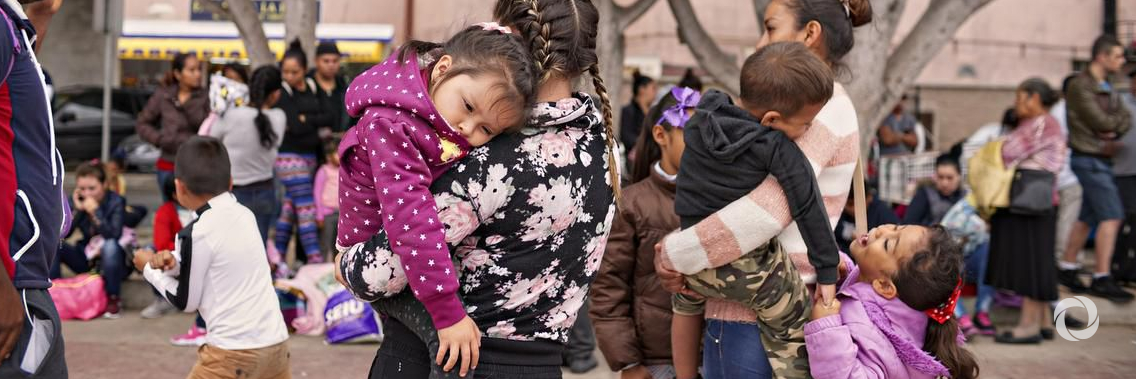
Migrant children in northern Central America, Mexico and the United States are facing significantly reduced access to safety and international protection, due in large part to the recent spate of agreements and policy changes adopted by governments in the region.
Taken together, these developments are having profound consequences for children, many of whom have been left with no safe options to escape violence and extortion, seek protection or reunite with family members abroad.
Meanwhile, just as safe and regular migration pathways are closing, conditions for children and families living in northern Central America remain critical. Notwithstanding national efforts, violence, organized crime, extortion, poverty and limited access to quality education and social services continue to be part of daily life for millions. The region contains some of the world’s most violent countries and there is limited access to education and other essential services.
The newly signed asylum cooperation agreements essentially mean that children moving through the region will now be forced to seek protection in the countries of northern Central America. Organized crime and violence in many areas make parts of these countries unsafe for their own children, let alone for those arriving from other places.
In Mexico, the Migrant Protection Protocols have led to an increase in the number of migrant children stranded in border areas while they wait for their asylum cases to move through the U.S. court system – a process which can take months. In many of these areas, migrant children and their families face exploitation, violence and abuse and lack access to essential services.
The combined effects of the Migrant Protection Protocols and the new asylum cooperation agreements are leaving children at great risk.
More than 32,000 children were returned from the United States and Mexico to El Salvador, Guatemala and Honduras between January and August 2019, double the 15,711 that were returned during the same period in 2018.
“UNICEF is on the ground in the region, working to provide uprooted children with protection and essential services wherever they may be. We are also working with authorities and NGOs to expand their capacity to meet the needs of migrant children, and to ensure that the best interests of children are given the utmost consideration in immigration procedures. But more support is urgently needed.”
Ensuring the wellbeing of migrant children requires a collective response from all countries involved, as well as from the international community.
Original source: UNICEF
Published on 25 November 2019