
Add us as your preferred source on Google to see more of our content in Search.
 Add to Preferred Sources
Soil’s contribution to climate change, through the oxidation of soil carbon, is important, and soils—and thus agriculture—can play a major role in mitigating climate change.
Through multiple agricultural practices, it is possible to store vast amounts of atmospheric carbon in the soil, while at the same time regenerating soil fertility, plant health and whole ecosystems.
Industrial farming systems succeed in producing large volumes of food for the global market. However, they cause significant soil erosion, biodiversity (including pollinator) losses and pollution of freshwater bodies. They promote a high dependency on the agro-industry and its products and require huge amounts of freshwater and fertilizer. Agriculture contributes about 23 percent of all human-induced greenhouse gas emissions, with the livestock sector representing 14.5 percent of such emissions.
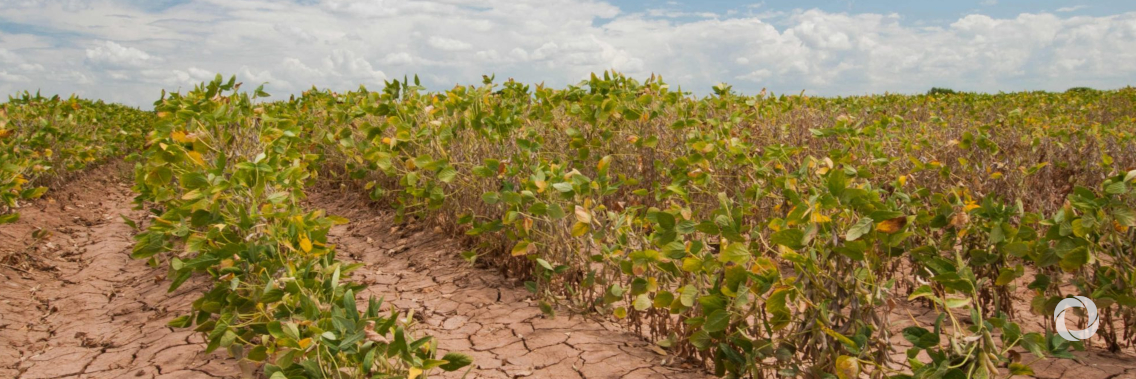
The fragility of soils, the thin layer of the earth which is the foundation of nearly everything growing and almost all that we eat, puts the “sustainability” of industrialized agriculture into question. One major problem is that we are losing soil due to poor land management practices.
“Overall, soil is being lost from agricultural areas 10 to 40 times faster than the rate of soil formation, imperiling humanity’s food security,” says UNEP soil and landscape expert Abdelkader Bensada. “A quarter of the Earth’s surface has already become degraded.”
Fertile topsoil equivalent to a land area almost the size of Greece or Malawi is being lost every year, says the UNEP Foresight Brief.
Around 33 percent of our global soils are degraded, according to the Food and Agriculture Organization of the United Nations.
Meanwhile, new research in Germany suggests that warmer, drier conditions expected under ongoing climate change will reduce the rates at which soil fauna (such as earthworms, springtails and mites) and microbes (such as bacteria and fungi) break down dead plant matter.
This may have important implications for agriculture and natural ecosystems worldwide, as plant decomposition is a key process in cycling and distributing nutrients throughout ecosystems.
Sustainable land and soil management require an understanding of the fundamentally important relationship between plants and soil life. Plants interact intensively with a vast number of microorganisms, in particular microbes and fungi, in the soil.
UNEP, the Food and Agriculture Organization of the United Nations and the World Health Organization are working together and with other international, regional and national institutions on a global report on the status of soil pollution in the world and its trends, including the impact of fertilizers and pesticides on human health. The aim is to launch the report at the United Nations Environment Assembly in February 2021.
Original source: UN Environment
Published on 04 December 2019