
Family farming, biodiversity and climate change - opportunities of the United Nations Decade of Family Farming
Add us as your preferred source on Google to see more of our content in Search.
 Add to Preferred Sources
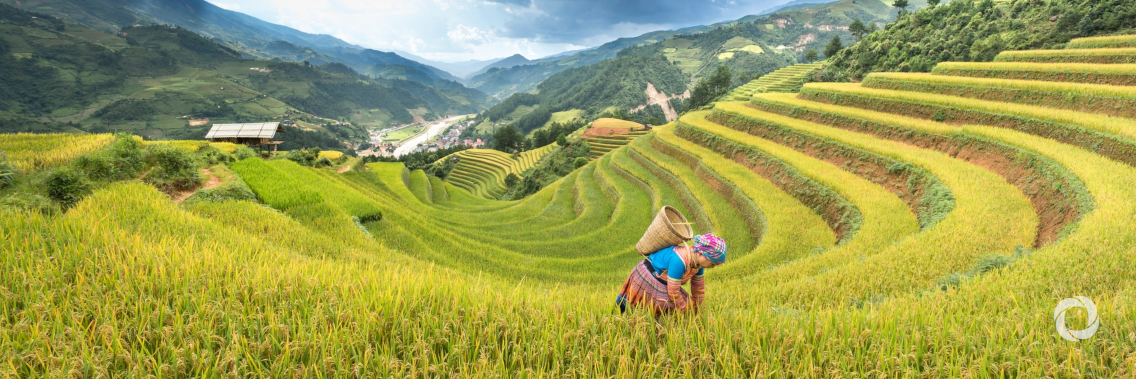
Agriculture is responsible for much of the world’s greenhouse gas emissions, but family farmers are also responsible for promoting biodiversity and guaranteeing ecosystem services upon which agricultural activity depends. That was one of the main messages at an event held at COP25 organised by the UN Decade for Family Farming.
The UN’s Decade of Family Farming, which launched earlier this year, coordinates actions at the national, regional and global levels that promote sustainable and resilient family farming.
The event at COP25 highlighted the international community’s commitment to family farming, and its commitment to the transition to a more sustainable food system. One that can provide economic opportunities and protect ecosystems, respect cultural diversity, and build resilience to climate change.
Family farmers understand their environment, so they have a unique potential to drive this transition. They are also the ones in the best position to develop resilience to climate change, enhance biodiversity and ensure the ecosystem services on which every agricultural activity depends.
“If we can achieve all this in the Decade, then we can also bring young people back to farming, we can harness the energy of a new generation to transform agriculture and food systems. With the challenges we are facing, we need young people farming now more than ever but to get them engaged we need a new family farming, one that is supported by policies and investments, that is innovative, takes advantage of new technologies, is market-based and remunerative. To achieve the ambitions of the Decade, we need to bring young people on-board.”
IFAD has worked with FAO to launch the Global Action Plan for the Decade. It sets out a framework for achieving the ambitions of the Decade and realizing its contribution to the Sustainable Development Goals.
Original source: IFAD
Published on 05 December 2019