
Add us as your preferred source on Google to see more of our content in Search.
 Add to Preferred Sources
The UN Environment Programme (UNEP) and the International Union for Conservation of Nature (IUCN) are jointly launching the Global Fund for Ecosystem-based Adaptation [2020-2024], which aims to provide targeted and rapid support mechanisms through seed capital for innovative approaches to ecosystem-based adaptation.
At the recently concluded UN Climate Change Conference (COP 25) in Madrid, the Federal Environment Ministry of Germany (BMU) announced that it would provide €20m for the new UNEP-IUCN programme, officially titled “Support for the Implementation and Upscaling of Ecosystem-based Adaptation.”
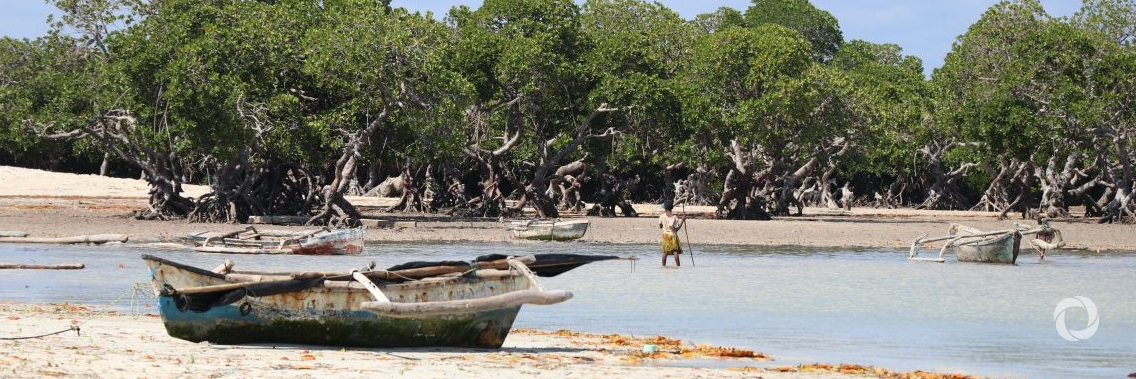
Ecosystem-based adaptation (EbA) refers to the set of approaches that involve the management of ecosystems to reduce the vulnerability of human communities to climate change. The restoration of mangroves and coral reefs, for example, protects coastal areas from the impacts of rising sea levels, while planting and restoring vegetation on hillsides and mountains prevents erosion and landslides during extreme rainfall.
EbA is a key pillar of the movement to promote ecosystem-based or nature-based, measures for climate change adaptation, which have gained scientific and policy interest over the past few years due to their multiple benefits for people and the planet.
Through its International Climate Initiative (IKI), the BMU is now increasing its financial commitments for ecosystem-based adaptation by around €60 million, which includes the new UNEP-IUCN programme.
The multi-year Global EbA Fund, established by UNEP and IUCN, will draw on and support the growing momentum behind nature-based solutions and EbA, along with major movements such as the UN Decade on Ecosystem Restoration.
The Fund will have a specific focus on working with local NGOs and INGOs with relevant EbA experience and local presence, and with governments on specific gaps in technical knowledge and understanding.
“Nature-based solutions are increasingly recognized as integral to global climate action,” said Inger Andersen, Executive Director of UNEP. “With this new programme, we are using the power of ecosystems to help societies adapt to climate change. Ecosystem-based adaptation is now being undertaken by more and more Governments and organizations all over the world.”
UNEP and IUCN will be supporting target countries in implementing EbA measures to meet their global plans and commitments. The measures funded by this programme will be supported by specific expertise- and capacity-building, while strengthening information, knowledge and political will for nature-based solutions to adaptation. To do so, IUCN and UNEP will draw on their extensive existing networks, tools and expertise, including Friends of Ecosystem-based Adaptation (FEBA), supported by IUCN, and the Global Adaptation Network, supported by UNEP.
The partnership between UNEP and IUCN will leverage a long history of EbA approaches and projects. Together, IUCN and UNEP have been involved in more than 80 EbA-related projects since 2010.
Original source: UN Environment
Published on 21 January 2019