
Add us as your preferred source on Google to see more of our content in Search.
 Add to Preferred Sources
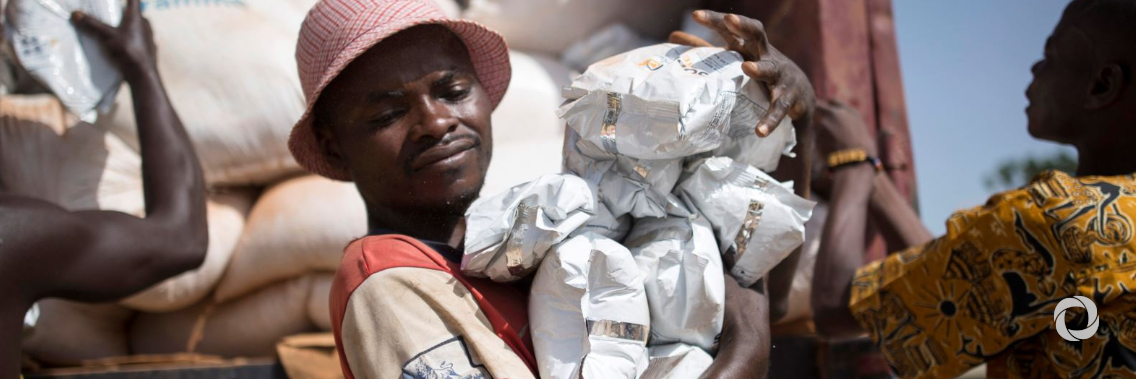
The severe humanitarian crisis in the Central African Republic (C.A.R.) requires sustained international attention and an injection of funds to sustain lifesaving operations for people affected by conflict, Chris Nikoi, the Regional Director for the United Nations World Food Programme (WFP) in West and Central Africa warned.
Repeated cycles of violence and conflict have uprooted hundreds of thousands of people from their homes and disrupted livelihoods in C.A.R. Nearly half of the country’s population of 4 million requires humanitarian assistance, including 1.6 million who are unsure of where their next meal will come from.
“We’re seeing renewed tension and violence in several parts of the country that will only compound the already dire humanitarian situation,” Nikoi said at the end of a four-day visit to the country. “We’re taking measures to provide assistance, but it will not be possible without additional donor support.”
WFP has strengthened its response capacity to deliver lifesaving food and nutrition assistance to vulnerable communities in 2020. However, the agency urgently requires US$ 74 million to continue providing assistance to over one million people between February and July.
“It’s heart-breaking to see how conflict is destroying people’s lives. We hope peace will prevail and provide a respite for people who have suffered repeated displacement and disruption to their livelihoods,” said Nikoi.
Nikoi commended donors that have backed lifesaving WFP operations over the years in C.A.R., and urged continued support, warning that increased support is needed for recovery, resilience and development activities. Whenever security conditions and funding permit, WFP scales up interventions such as home-grown school feeding, food for assets, and support for smallholders’ farmers to increase local food purchases, enabling communities to rebuild their livelihoods, be more self-reliant, and inject money into the local economy.
Original source: WFP
Published on 29 January 2020