
Add us as your preferred source on Google to see more of our content in Search.
 Add to Preferred Sources
The United Nations World Food Programme (WFP) has welcomed a contribution of US$200,000 from the Government of the Republic of Korea to assist refugees living in Zimbabwe’s Tongogara Refugee Camp (TRC) at a time when resources have otherwise run dry.
“Refugee populations around the world are one of the most vulnerable,” said Eddie Rowe, WFP Zimbabwe Country Representative & Director.
“At a time when Zimbabwe and Southern Africa is faced with massive humanitarian needs because of drought and economic woes, this already at-risk community is struggling even more. The support from the people and Government of Korea will make a great difference in the lives of the refugee population here.”
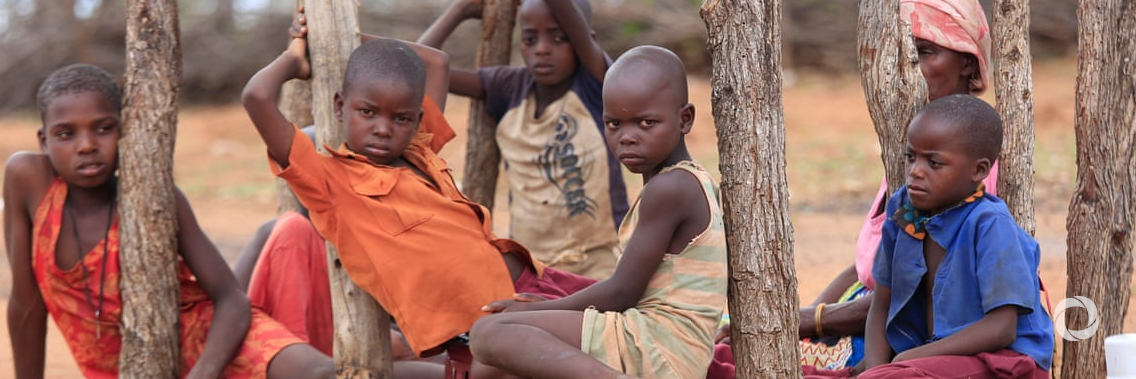
Located in Chipinge district, TRC is home to nearly 14,000 refugees from across southern and central Africa. The funds provided by the Republic of Korea will enable WFP – in partnership with the Government of Zimbabwe, UNHCR and Terre des Hommes, a Southern Africa-based NGO – to continue providing much-needed food and nutrition assistance.
Due to their refugee status, TRC residents are unable to seek employment outside the camp, and internal income-generating opportunities are limited. Therefore, most households rely solely on WFP food assistance to survive.
WFP’s support to refugees in Zimbabwe faces ongoing funding shortfalls. The Republic of Korea’s contribution comes in the wake of an urgent plea for funds by WFP, which is working to provide 4.1 million people in Zimbabwe with emergency food assistance amid the country’s current hunger crisis. At present, more than 7.7 million people – or half of Zimbabwe’s population – are food insecure. More than US$200 million is still required for WFP to provide people with life-saving food aid during the peak of this year’s lean season (Jan-April 2020).
Original source: WFP
Published on 07 February 2020