
2.9 million people, including 1.6 million children, affected by one or more humanitarian crises in Niger, in 2020
Add us as your preferred source on Google to see more of our content in Search.
 Add to Preferred Sources
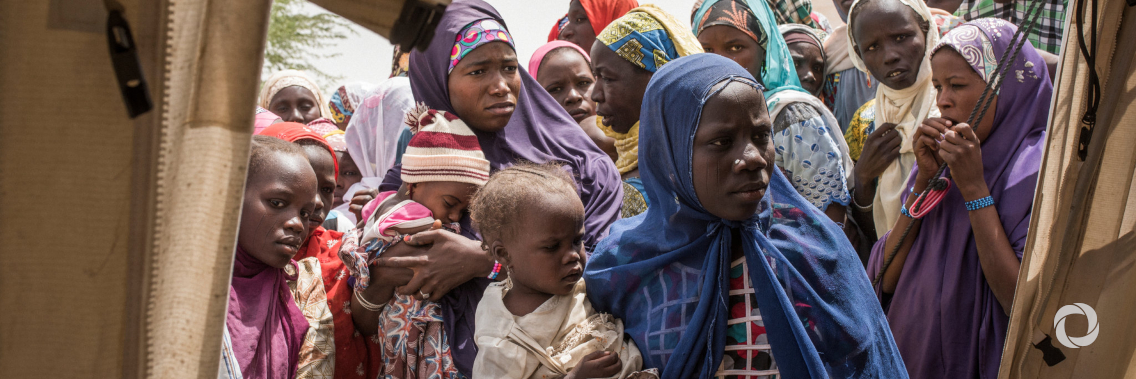
Nearly 3 million people in Niger, more than half of whom are children, need humanitarian assistance amidst the risks posed by insecurity, malnutrition, recurrent disease epidemics, cyclical floods, droughts and displacement. UNICEF called for increased attention to the plight of children and their families.
Niger continues to face simultaneous emergencies that are stretching the capacities of humanitarian partners to respond adequately. The situation is exacerbated by instability in the region, including in neighboring countries, resulting in an influx of thousands of refugees, returnees, internally displaced persons and migrants, all needing access to basic social services and protection for survival.
“In a context of constrained resources and limited social services, the communities that host displaced populations are showing extraordinary resilience and sharing the little they have. This truly is a great example that Nigeriens are showing to the world,” said Dr. Félicité Tchibindat, UNICEF Representative in Niger, following a visit in the conflict-affected region of Diffa, alongside national and international partners.
Insecurity has exacerbated the chronic challenges already facing children in Niger. Attacks against civilians in the Lake Chad region prevented 263,000 people in Diffa from returning to their homes. Growing insecurity along the borders with Burkina Faso and Mali has increased needs in Tillabéri and Tahoua regions, where nearly 78,000 people have been displaced. Deteriorating security on the border with Nigeria has also resulted in the movement of tens of thousands of people who have sought refuge in border villages of the Maradi region, in central Niger.
The sharp increase in insecurity, violence and military operations has also hampered humanitarian actors’ access to populations affected by conflict.
“Reaching those in need is increasingly challenging. UNICEF calls on all stakeholders to respect humanitarian spaces allowing safe and sustainable access to deliver humanitarian assistance to affected populations, including women and children, wherever they are,” Tchibindat said.
UNICEF is appealing for solidarity to help the Government of Niger and its partners meet the urgent needs of the affected populations and provide vital assistance to improve their living conditions in the affected areas.
Original source: UNICEF
Published on 19 February 2020