
Add us as your preferred source on Google to see more of our content in Search.
 Add to Preferred Sources
Over 200 investors from across Scotland are fighting climate change through Energise Africa, a UK aid backed crowdfunding platform which helps African communities access solar energy. The platform demonstrates the UK leading by example in the run-up to the crucial climate change conference COP26 in Glasgow later this year.
Since its launch in 2017, the platform’s projects have helped 452,000 people across Africa to replace toxic kerosene with clean solar electricity in their homes, helping reduce CO2 emissions annually by 100,000 tonnes.
So far £15 million has been invested through the platform, including £11.3m through crowdfunding. UK aid has provided match funding in 70% of projects to encourage UK investors to join the campaign.
UK solar power firm Azuri Technologies is among the companies to be backed by the crowdfunding platform.
The UK Government launched the Year of Climate Action earlier this month to inspire people across the UK to take positive action on climate change in the run-up to COP26.
Energise Africa sets projects crowdfunded on its platform a limited number of days to raise their capital. People can invest as little as £50 in a specific project in the form of a fixed-term bond and earn a potential interest rate of to 7%.
“UK aid is helping people in Africa use more solar energy, which ultimately will benefit us all in creating a cleaner planet. People across Scotland are playing a crucial role in this transition,” said UK International Development Secretary Anne-Marie Trevelyan.
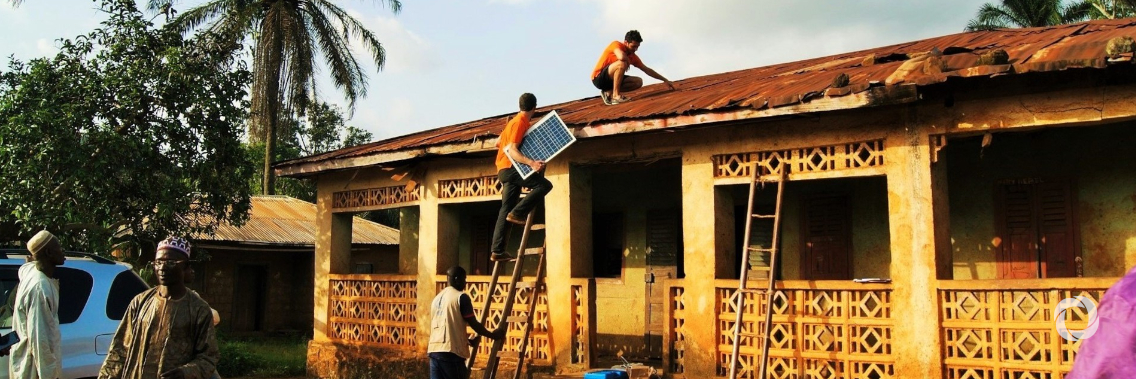
The platform uses investors’ money to buy solar power systems such as roof panels, which are then sold to households and businesses in Africa. Instead of buying Kerosene, these customers save money by making affordable monthly payments until they own the solar power systems outright. This normally takes between 12 and 24 months, after which the power is free.
Energise Africa’s projects include supplying lights for fishing in Tanzania and fridges for farmers in Kenya, as well as helping off-grid families in Mozambique access energy. These projects change lives, allowing children to study in the evenings and people to cook in their homes without creating harmful fumes. They can also reduce food spoilage for farmers, increasing their profits.
Original source: DFID
Published on 24 February 2020