
Add us as your preferred source on Google to see more of our content in Search.
 Add to Preferred Sources
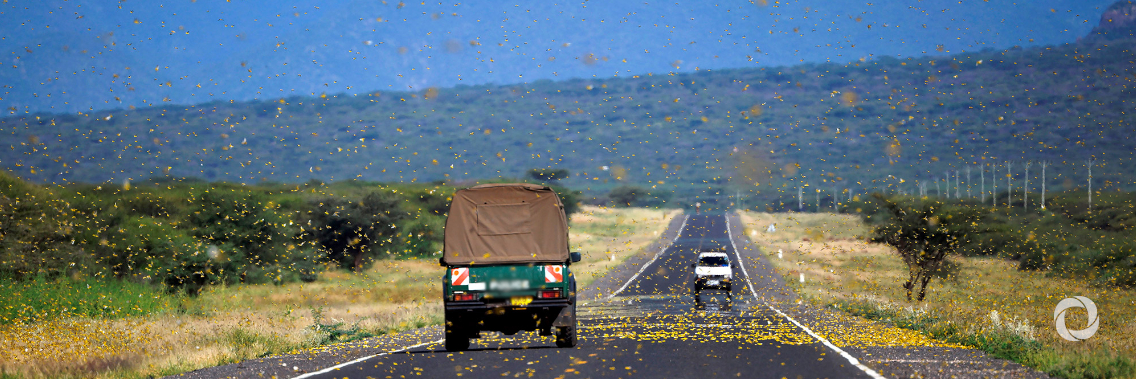
The European Commission has announced €10 million more to respond to one of the worst Desert Locust outbreak in decades in East Africa. The outbreak could have devastating consequences on food security in an already vulnerable region where 27.5 million people suffer from severe food insecurity and at least 35 million more are at risk.
Commissioner for International Partnerships, Jutta Urpilainen, stressed: “This crisis shows, once again, how fragile food systems can be when facing threats. The EU’s approach, in line with the Green Deal, puts sustainability at its heart. We must enhance the capacity to collectively respond to these threats and we also have a responsibility to step in now with resolve to avoid a major crisis, tackle the root causes of this natural disaster, and protect livelihoods and food production.”
The UN’s Food and Agriculture Organisation (FAO) has formulated a response plan, but country interventions must be rapidly scaled-up to support national governments of the affected countries. A narrow window of opportunity exists now to contain this disastrous outbreak and protect the livelihoods of millions of vulnerable people across East Africa and beyond.
The EU response, working alongside partners in the Global Network Against Food Crises, has been swift. This partnership includes the EU, FAO, the World Food Programme and other stakeholders and was created to facilitate sustainable solutions to food crises across the globe.
The EU’s €10 million contribution is in addition to the €1 million already mobilised from humanitarian funds. The EU will follow a joint humanitarian-development approach to tackle the crisis and protect livelihoods.
Original source: European Commission
Published on 27 February 2020