
Add us as your preferred source on Google to see more of our content in Search.
 Add to Preferred Sources
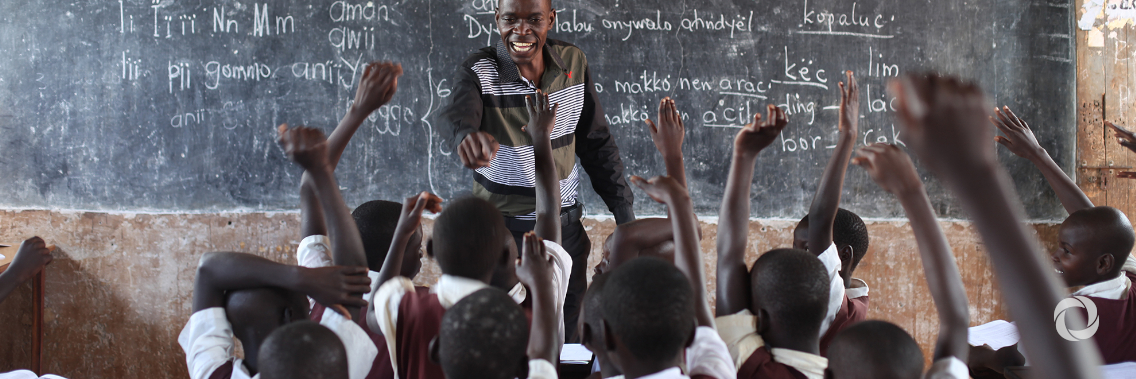
Children of linguistic minorities must be taught in their own language where possible to achieve inclusive and quality education and to respect the human rights of all children, said a UN expert in his report presented to the Human Rights Council.
“Education in a minority’s mother tongue, combined with quality teaching of the official language, is more cost-effective in the long term; reduces dropout rates; leads to noticeably better academic results, particularly for girls; improves levels of literacy and fluency in both the mother tongue and the official or majority language, and leads to greater family and community involvement,” said Fernand de Varennes, UN Special Rapporteur on minority issues.
In his report, the UN expert pointed out that numerous studies agree that an appropriate and proportionate use of minority languages in education can increase inclusion, communication and trust between members of minorities and State authorities.
“Children from indigenous or minority background will have better academic results and will stay in school longer when they are taught in a language with which they are most familiar – usually their own,” de Varennes said. “When this happens, especially when they stay longer in school, they will not only acquire a stronger basis and literacy in their own language, they will also be able to gain greater fluency in the official or majority language.”
Beyond these numerous benefits, the failure to use minority languages where this is reasonable could be discriminatory or in breach of States’ human rights obligations such as the right to education, the expert said. It would also be inconsistent with the UN Sustainable Development Goal 4, which calls for inclusive and quality education for all.
“Inclusive and quality education for members of linguistic minorities means, as far as it is practicable, education in their own language. Not using a minority language as medium of instruction where this is possible means providing an education that does not have the same value or effect,” he said.
The Special Rapporteur, therefore, called for the drafting of practical guidelines to provide concrete guidance on the implementation of the human rights of minorities and the use of their languages in the field of education.
Original source: OHCHR
Published on 11 March 2020