
Add us as your preferred source on Google to see more of our content in Search.
 Add to Preferred Sources
One in every three women in the world will be physically or sexually abused at some point in their life. When women are not safe on the streets or in their homes – it devastates lives and stalls their potential. And that, in turn, holds back countries from equitable growth and development.
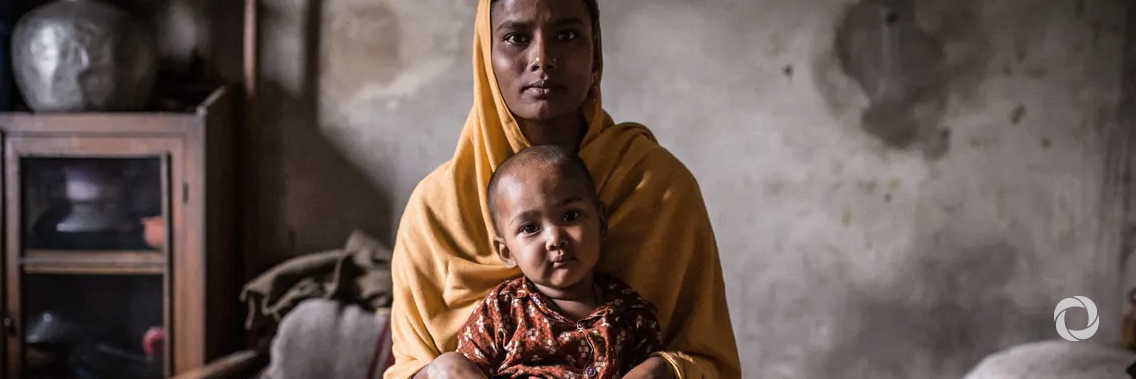
The Gender-Based Violence (GBV) Sub Sector coordination structure in Cox’s Bazaar was established in May 2017. Since 25 August 2017, this structure has been reinforced and expanded to respond to the needs of the massive influx of the Rohingya refugees in Bangladesh.
The Gender-Based Violence Sub-Sector in Cox’s Bazar is comprised of more than 30 standing member organizations; including, UN, INGO, NGO, and government agencies operating in the Rohingya refugee camps and the surrounding affected host community locations. The sub-sector works to prevent and respond to Gender-Based Violence through strengthening community-based GBV programming. However, the current covid19 situation is affecting all sectors and increasing the vulnerability of people all over the world.
GBV Partners have shared concerns about the current situation. There has been an increase in gender-based violence and child marriage as services shrink, and movement restrictions escalate in Bangladesh’s Rohingya camps. During this emergency, gender issues have often been deprioritized or not seen as life-saving.
Bangladeshi authorities ordered the suspension of relief work apart from essential services like health, nutrition, and food distribution. Makeshift schools have been shut and authorities have urged Rohingya refugees to stay home. The restrictions were seen as necessary to avoid importing coronavirus to the packed camps, but they have a cost: education NGOs were set to begin a long-awaited formal schooling program using the Myanmar curriculum. UNICEF said the restrictions would “cripple” other essential services and ramp up the risk of other diseases.
The risks to refugees – and global travel restrictions – are forcing aid groups to re-assess when travel is essential. We can still do much of our work remotely without actually putting bodies on the ground. But, as the coronavirus pandemic continues, this will also mean looking at how funding and support – which moves slowly at the best of times – can be shifted to help local responders already doing much of the work.
The packed Rohingya refugee camps are home to roughly 900,000 people, and containment efforts like “social distancing” will be complicated. Extremely limited hospital isolation and treatment beds will also complicate response efforts if an outbreak emerges. One big concern is the possibility of aid workers importing the virus.
We are now facing a real dilemma, particularly in camps and camp-like settings, humanitarian workers, could themselves be vectors of the virus.
How can we stand and deliver the life-saving aid that so many people depend on, without putting them at further risk?
With borders now closing around the world and health services coming under huge strain as COVID-19 spreads, the humanitarian sector is scrambling to adapt to new challenges while continuing to assist in ongoing emergencies and disasters.
The World Bank, the International Monetary Fund, national governments, and central banks have reacted with massive stimulus packages, loans, and cash pledges to limit the economic and social fallout. This week, the UN will kick off an unprecedented global humanitarian response plan for the impact of the coronavirus on the world’s trouble spots and the poorest countries.
UN Secretary-General António Guterres has called for a unified response to the global crisis, emphasizing that “humanitarian needs must not be sacrificed.”
But many worry this is exactly what might happen, as attention and resources could shift away from some of the world’s most vulnerable populations even as COVID-19 presents a new threat to them.
It will be quite complicated with the UN and NGOs. In headquarters, lots of time is being dedicated to COVID-19, but we are also trying to dedicate time to other concerns.
I didn’t see COVID cases in the camps, but statistically, I think that to change.
NGOs are facing a new challenge every day, but we all have to do everything we can to support the people who left behind.