
Add us as your preferred source on Google to see more of our content in Search.
 Add to Preferred Sources
The COVID-19 outbreak has been placing unprecedented strains on sophisticated health systems in Europe and Asia, with overstretched medical staff struggling to treat their patients and intensive care facilities overwhelmed in rich countries.
With cases rising in Africa, concerns are increasing on the impact on fragile health systems there. This crisis is already exposing glaring inequalities between the rich and the poor in the developed world, and it is about to reflect even greater inequalities between the North and the South.
This health crisis, like others, is hitting the poorest and the most vulnerable the hardest, especially in Africa. What does social distancing mean in Africa’s congested townships, its packed markets and buses. How will people wash their hands several times a day to protect themselves from the virus without having access to water and basic sanitation? And what does that mean for women and girls who bear the daily burden of hauling water from rivers and wells for their households? How will a mother choose between going to work to put food on the table or staying at home with a cough or a fever? How do we tell informal workers, taxi drivers and all those who operate in the platform economy and live hand-to-mouth not to go to work?
There are four things that must be done urgently:
- scale-up testing and isolate infected people and communities;
- invest in health and protect healthcare workers;
- focus on the community to ensure that the community response is strong;
- have a constant supply chain.
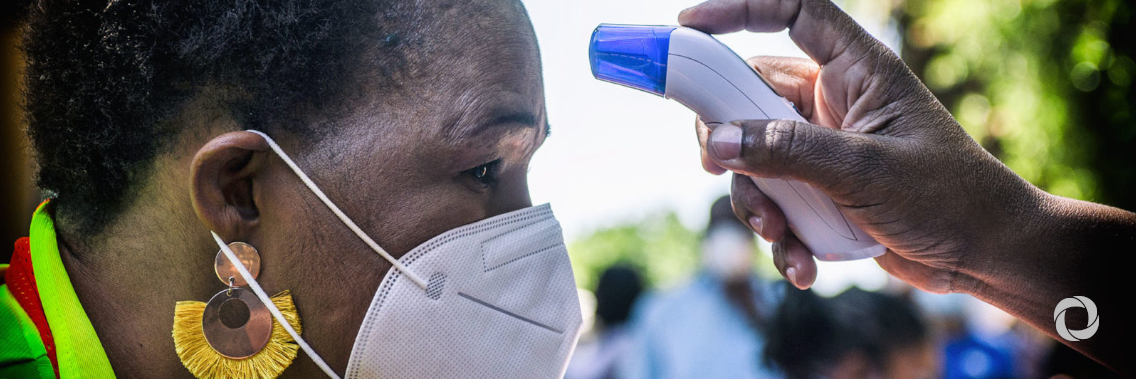
The Africa Centre for Disease Control and Prevention estimates that 10 million testing kits will be necessary to respond to COVID-19 effectively over the next three months. Hundreds of millions of personal protective items such as face masks, protective gowns and gloves will also be needed. At a time when there is a global demand for these medical supplies, Africa must not be left behind.
A lack of investment in Africa’s social infrastructure, including in its health systems, mounting debt, and massive corporate tax dodging has left the continent ill-prepared to face this coming emergency. Without publicly provided health care, people are left exposed to the disease. User fees for accessing health services deny ordinary people their right to health. This is the time to abolish them. Rich countries are rightly pumping billions of dollars into their own economies and social security systems to keep people and businesses afloat, but will there be massive coordinated international financial support for the developing countries to fight Covid-19? We are in this together. Nothing but a global response will defeat this aggressive virus.
In responding to the HIV epidemic, community-led services have been core to our most important advances in preventing new infections and getting people on treatment. In response to COVID-19, communities will no doubt step into the breach and public health authorities must engage with them now and build trust for the upcoming battle.
And the response must respect the human rights of the most vulnerable. There have already been incidents all over the world where individuals or communities are being blamed for the virus. This must stop. It’s wrong and counter-productive for the wider public good.
In addition, to make sure that medicines continue to reach people in need, we must ensure the security of the global supply chain in this period. UNAIDS is working closely with all its partners to make sure that essential medicines and medical supplies continue to get to where they are most needed.
Original source: UNAIDS
Published on 03 May 2020