
Add us as your preferred source on Google to see more of our content in Search.
 Add to Preferred Sources
Well over 40 million people across West Africa face desperate food shortages in the coming months, with COVID-19 restrictions a new factor adding to people’s vulnerability, the World Food Programme (WFP) said.
Appealing for the continued support from the international community for the agency’s global aid effort, WFP spokesperson Elisabeth Byrs, warned that the new coronavirus risked exposing populations that had fled armed conflict and endured climate change emergencies.
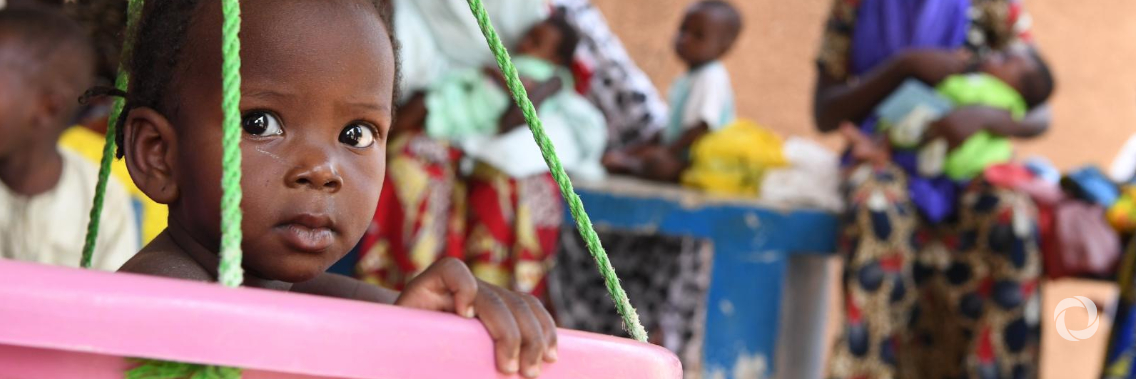
An estimated 12 million children under five years old could be acutely malnourished in the lean season from June to August, up from 8.2 million in the same period last year.
The alert follows a similar warning from the UN agency about a potentially massive spike in global food insecurity in East Africa, as a direct result of the pandemic.
During the lean season in June and August, more than 21 million people across West Africa “will struggle to feed themselves”, she explained, adding Gambia and Benin to the list of countries in need.
“An additional 20 million people could struggle to feed themselves due to the socio-economic impact of COVID-19 in the next six months, doubling the number of food-insecure to 43 million in this region”, the WFP official added.
For WFP the priority continues to be the most vulnerable individuals. They include “the urban poor – who live hand-to-mouth – (who) are most at risk”, Ms. Byrs said, highlighting how COVID-19 travel restrictions had compromised the transport of supplies and the functioning of open-air markets that serve most people, resulting in price increases in some countries.
Movement restrictions could also affect farmers as the planting season approaches, WFP said in a statement, warning that “an inadequate response” to current needs “would put the future well-being of millions of people in the region at stake, particularly women and young children”.
A significant problem is the halt in school meal distribution, which has affected 18 million pupils supported through Government-led programmes and 2.2 million schoolchildren in WFP-supported schools.
WFP urgently requires an additional $574 million to provide crucial assistance for the next six months in West Africa. These requirements are likely to increase in the coming weeks as the impact of COVID-19 is fully analysed.
Original source: WFP
Published on 05 May 2020