
Add us as your preferred source on Google to see more of our content in Search.
 Add to Preferred Sources
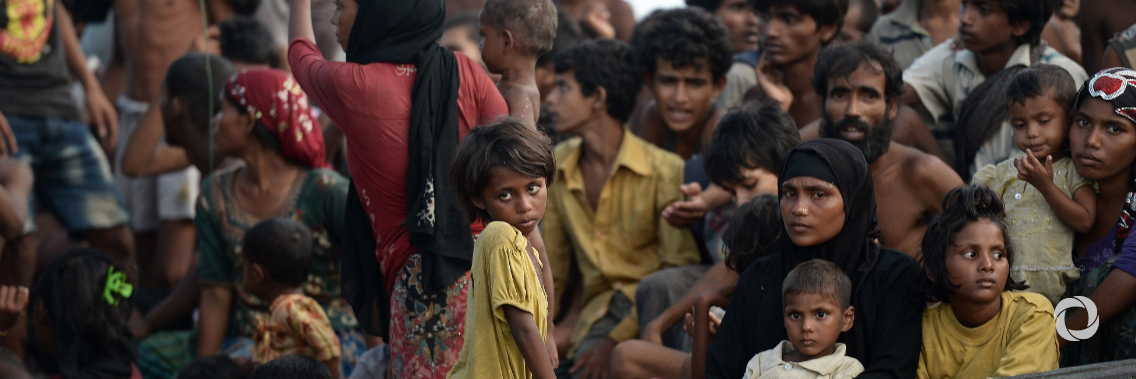
Five years on from the 2015 ‘boat crisis’ in the Bay of Bengal and Andaman Sea, in which thousands of refugees and migrants in distress at sea were denied life-saving care and support, UN organizations are alarmed that a similar tragedy may be unfolding once more.
“We are deeply concerned by reports that boats full of vulnerable women, men and children are again adrift in the same waters, unable to come ashore, and without access to urgently needed food, water and medical assistance.”
There is no easy solution to the irregular maritime movements of refugees and migrants. Deterring movements of people by endangering life is not only ineffective; it violates basic human rights, the law of the sea and the principles of customary international law by which all States are equally bound.
UNHCR, IOM, and UNODC call on States in the region to uphold the commitments of the 2016 Bali Declaration as well as ASEAN pledges to protect the most vulnerable and to leave no one behind. Not doing so may jeopardize thousands of lives of smuggled or trafficked persons, including the hundreds of Rohingya currently at sea.
Saving lives must be the first priority. In the midst of the COVID-19 pandemic, States have erected border management measures to manage risks to public health. These measures, however, should not result in the closure of avenues to asylum, or in forcing people to either return to situations of danger or seek to land clandestinely, without health screening or quarantine. States can – and should – ensure that public health and security are matched with a re-affirmation of solidarity and compassion.
Faced again with the need to find a regional solution to a regional problem, as was the case during the 2015 crisis, it is important to build on the solid cooperation and planning that has already been undertaken by ASEAN and the Bali Process to address irregular maritime movements.
“We call on States to continue and expand search and rescue efforts, and to ensure that landing procedures and reception conditions are safe and humane. Some States in the region have already demonstrated that health screening and quarantine arrangements can be implemented so that people can disembark in a safe, orderly and dignified manner. Search and rescue must be combined with arrangements for prompt disembarkation to a place of safety.”
IOM, UNHCR and UNODC reaffirmed their support to States across the region to provide immediate assistance to asylum-seekers, refugees and vulnerable migrants, as well as to strengthen the broader response capacity to respond to irregular movements. UNHCR, IOM and UNODC have dedicated capacities that can be mobilized to assist States and local authorities to prevent the spread of COVID-19, including support for initial health assistance, information dissemination, and where appropriate to ensure that quarantine procedures are followed.
In the longer term, a sustainable and comprehensive response to the movement of refugees and migrants cannot be achieved without concerted international cooperation.
In line with the United Nations Transnational Organized Crime Convention and its Protocols, signed by all States of the region, traffickers and smugglers should be investigated and prosecuted for their crimes in full accordance with international standards for human rights, while fully respecting the rights of victims. States should underscore the existing political commitment to zero tolerance towards the criminal elements facilitating movements and taking advantage of the vulnerable.
Equally, international action and solidarity are essential to tackle the drivers of refugee and irregular migrant movements, including statelessness, discrimination, deprivation, persecution, and other violations of human rights.
Without collective efforts to address these interlocking issues, this human tragedy will continue to unfold over and over again.
Original source: UNHCR
Published on 06 May 2020