
Add us as your preferred source on Google to see more of our content in Search.
 Add to Preferred Sources
The Government of Japan announced an additional US$14.8 million in funding to meet the essential food security needs of vulnerable populations in Zimbabwe through the World Food Programme (WFP) and the Government of Zimbabwe (GoZ).
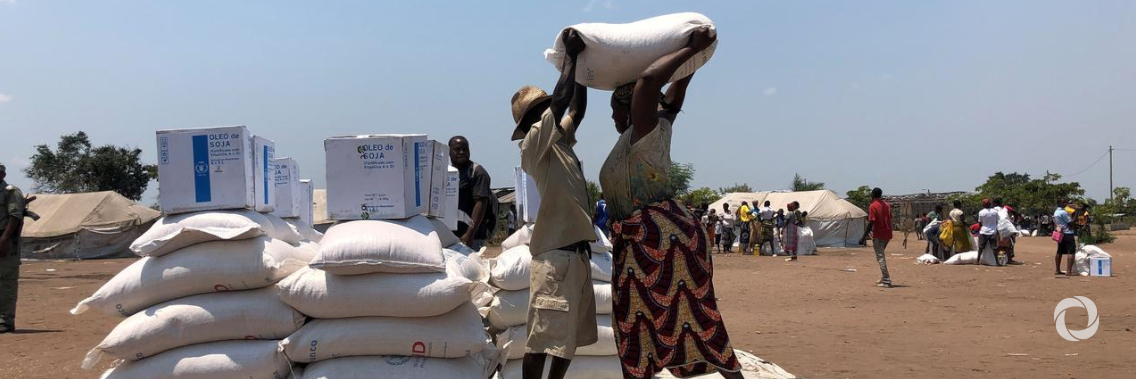
Through this funding, WFP will be able to procure and deliver approximately 25,600 metric tonnes of maize by June 2020, which will be distributed to vulnerable people across Zimbabwe through the GoZ’s food assistance programme, the Food Deficit Mitigation Strategy (FDMS). It is expected that it will meet the essential food security needs of 512,000 households in rural areas for a period of six months.
Recurring droughts and the negative effects of economic conditions have resulted in Zimbabwe currently facing one of its most severe food security crises. A recent nationwide assessment, the Integrated Food Security Phase Classification (IPC), showed that the number of acutely food insecure Zimbabweans has risen to 4.3 million, from 3.8 million at the end of last year. The total number of food-insecure people now stands at 7.7 million.
“We welcome this generous and timely contribution from the Government and people of Japan to support the food needs of Zimbabwe’s most vulnerable people, who are struggling to put food on the table. The maize procured to support the Government’s efforts will help to cushion Zimbabweans at the peak of the hunger season”, said Mr. Eddie Rowe, WFP Country Representative, and Director.
Japan’s previous support to vulnerable communities in Zimbabwe through WFP provided food assistance while at the same time strengthening community resilience through the creation of productive assets, such as weir dams and nutrition gardens. It also provided much-needed nutritional support to expectant mothers at maternity waiting homes across the country.
Donor countries, including Japan, have contributed to WFP’s immediate response plan, but it still has a shortfall of US$130 million. With Zimbabwe’s already severe hunger crisis deepening and the current COVID-19 pandemic threatening to exacerbate this situation, additional funding is urgently needed. While supporting the country’s response to the pandemic, WFP has a critical role to play by sustaining its scaled-up food assistance programme, which must be delivered at full capacity.
Original source: WFP
Published on 06 May 2020