
Add us as your preferred source on Google to see more of our content in Search.
 Add to Preferred Sources
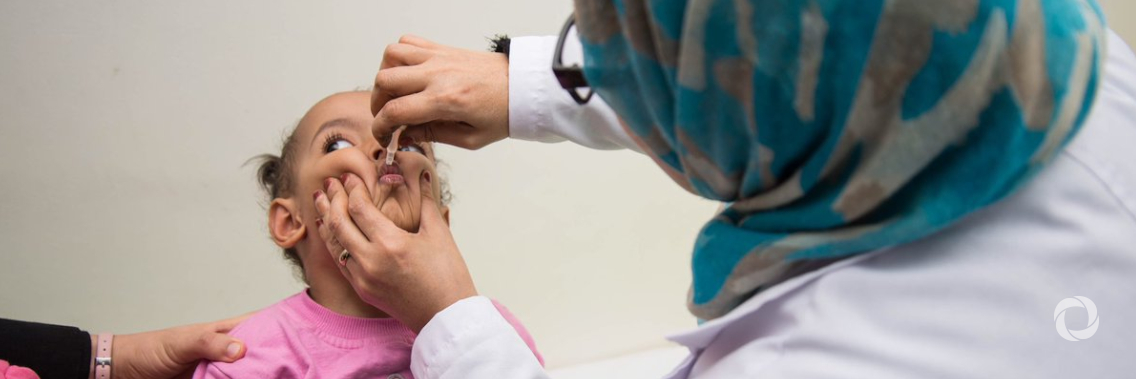
The lives and health of over a quarter of a million children under one year of age in Libya are at risk from vaccine-preventable diseases due to critical shortages in vaccine supplies.
UNICEF and WHO are raising the alarm over severe vaccine shortages in Libya that are putting more than 250,000 children at severe risk. The situation is made worse by the continued armed conflict, the COVID-19 pandemic, disrupted health care services, regular power cuts, shortages of safe water supplies, and the closure of schools and child-friendly spaces.
For the past two months, access to routine immunization services has been disrupted as a result of the COVID-19 lockdown, leading to an increased risk of a resurgence of measles and polio outbreaks. There are acute shortages of hexavalent vaccine, which protects against six diseases (diphtheria, tetanus, pertussis, poliomyelitis, Haemophilus influenzae type b and viral hepatitis B). Similarly, oral polio vaccine, which is administered at birth and at nine months of age, is in critically short supply. Children in hard-to-reach and conflict-affected areas are at particular risk because they may have already missed some vaccination doses. WHO and UNICEF are also concerned that many migrant, refugee or internally displaced children may not have received their basic vaccination doses in their country of origin or may have missed the required doses in Libya.
Procurement orders for essential vaccines have been delayed because of lengthy governmental approval processes. Libya’s Expanded Programme on Immunization (EPI) was disrupted due to vaccine stockouts in 2019. With a saturated global supply chain and constraints arising from the COVID-19 pandemic, the country is likely to face an extended stockout for a second year running.
“Immunization is one of the most effective public health interventions and when routine vaccinations are missed, there is a high chance of a resurgence of a measles outbreak, other preventable diseases, and fatalities among the children”, said Mr. Abdel-Rahman Ghandour, UNICEF Special Representative. “There is an urgent need to ensure an uninterrupted flow of funds for vaccine procurement to cater for the current shortfall.”.
UNICEF renews offering its procurement services to the Government of Libya to procure WHO prequalified vaccines at competitive prices and have them delivered to Libya urgently.
Original source: UNICEF
Published on 19 May 2020