
Malian farmers adapt to climate change, improve water use, crop yield and livelihood using nuclear techniques
Add us as your preferred source on Google to see more of our content in Search.
 Add to Preferred Sources
In the semi-arid Sahel region of Segou in central Mali, small-holder farmers often struggle to provide enough food for the area’s growing population, and rainfall pattern changes due to climate change are acerbating their hardship.
The IAEA is working with scientists in this region to improve food security using climate-smart agricultural techniques to enhance water management and improve soil fertility. Since 2014, the IAEA, in partnership with the Food and Agriculture Organization of the United Nations (FAO), has provided expert advice, laboratory and field equipment and consumables on the use of nuclear and isotopic techniques to track fertilizer and water use efficiency. Participating farmers have reported a 37% increase in crop yield and a 43% reduction in water use for irrigation.
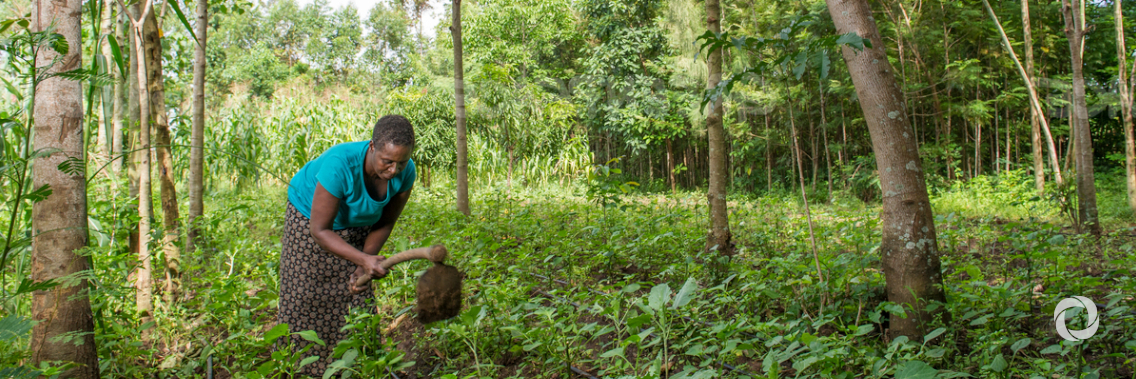
The 500 small-holder farmers, mostly women, have turned previously low-yielding lands into fertile agricultural plots.
Small-holder farming provides over 70% of the vegetables available on the market in the region. Crop yields are dependent on the fertilization and moisture of the soil, which is often poor in nitrogen. Compared to larger and more developed farms that have access to irrigation systems and fertilizer, most small-scale producers lack the capacity, infrastructure and funding to cope with the erratic weather patterns caused by climate change. Often, they require expert support on sustainable cultivation and to alter soil management methods that contribute to accelerated soil degradation and salinization. To help them improve their practices and conserve resources, scientists are using isotopic techniques to determine how much nitrogen and water are taken up by the plants, so that the right amount can be added at the right time to enhance the production of high-value crops.
The IAEA, through its technical cooperation programme, has trained more than 50 Malian Malian scientists in using fertilizers labelled with the stable isotope 15N (nitrogen-15; nitrogen atoms with an extra neutron) helping them track nitrogen pathways in crops to determine the efficiency of fertilizer absorption. This helps to optimize fertilizer use by farmers.
Furthermore, a 43% reduction in water use for irrigation was also achieved, data collected from the farmers show. The water saved was vital for livestock farming, further improving food security and farmers’ earnings.
Original source: IAEA
Published on 29 May 2020