
Add us as your preferred source on Google to see more of our content in Search.
 Add to Preferred Sources
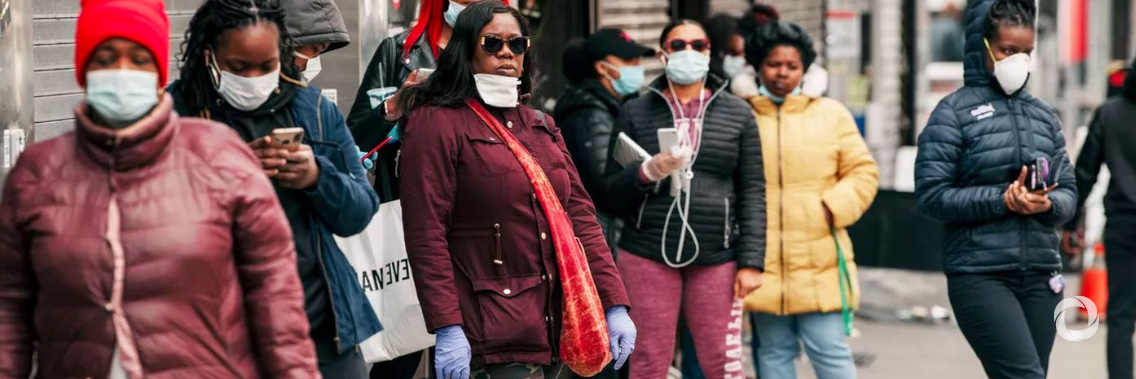
Rising disparities in how COVID-19 is affecting communities, and the major disproportionate impact it is having on racial and ethnic minorities, including people of African descent, have exposed alarming inequalities within our societies, UN High Commissioner for Human Rights Michelle Bachelet said. She noted that similar inequalities are also fuelling the widespread protests affecting hundreds of cities across the United States.
“The data tells us of a devastating impact from COVID-19 on people of African descent, as well as ethnic minorities in some countries, including Brazil, France, the United Kingdom and the United States,” Bachelet said.
In Brazil’s Sao Paulo state, people of colour are 62% more likely to die from COVID-19 than white people. In France’s Seine Saint-Denis department where many minorities live, higher excess mortality has also been reported.
In the United States, the COVID-19 death rate for African Americans is reported to be more than double that of other racial groups. Similarly, government data for England and Wales shows a death rate for black, Pakistani and Bangladeshi people that is nearly double that of white people, even when class and some health factors are taken into account.
“The appalling impact of COVID-19 on racial and ethnic minorities is much discussed, but what is less clear is how much is being done to address it,” Bachelet said. “Urgent steps need to be taken by States, such as prioritising health monitoring and testing, increasing access to healthcare, and providing targeted information for these communities.”
These disparities likely result from multiple factors relating to marginalisation, discrimination, and access to health, although more information is needed to fully understand and address the situation. Economic inequality, overcrowded housing, environmental risks, limited availability of healthcare and bias in provision of care may all play a part. People from racial and ethnic minorities are also found in higher numbers in some jobs that carry increased risk, including in the transport, health and cleaning sectors.
“States need not only to focus on the current impact of these disparities on groups and communities facing racial discrimination, but also on their root causes,” Bachelet said. “This virus is exposing endemic inequalities that have too long been ignored. In the United States, protests triggered by the killing of George Floyd are highlighting not only police violence against people of colour, but also inequalities in health, education, employment and endemic racial discrimination.
Moving forward requires urgent action by governments to prioritise the collection of disaggregated data, according to Bachelet. A recent study by the Lancet of papers and national surveillance reports on COVID-19 found that only 7% contained data disaggregated by ethnicity.
The fight against this pandemic cannot be won if Governments refuse to acknowledge the blatant inequalities that the virus is bringing to the fore. Ultimately, efforts to tackle COVID-19 and to begin the recovery process will only be successful if everyone’s rights to life and health are protected, without discrimination.
Original source: OHCHR
Published on 02 June 2020