
Add us as your preferred source on Google to see more of our content in Search.
 Add to Preferred Sources
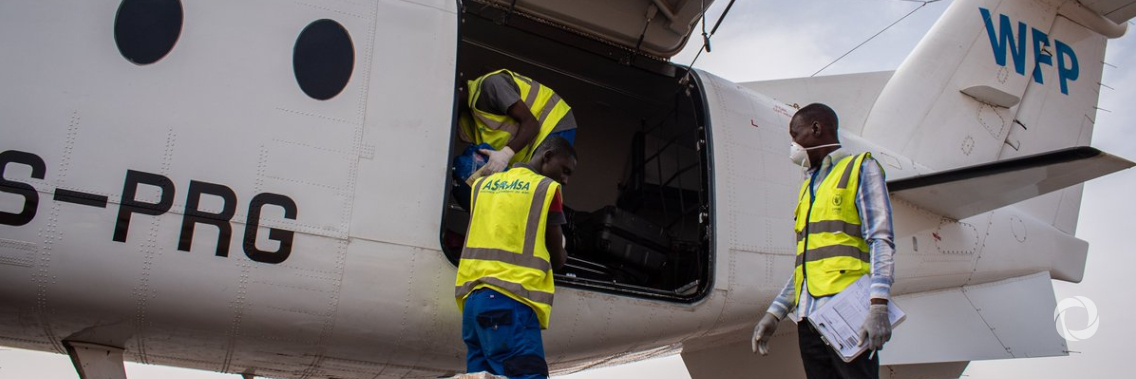
With much of the world’s commercial transport systems, particularly airlines, grounded by COVID-19, WFP – the world’s largest humanitarian organization fighting hunger and a global leader in logistics – has stepped in to move passengers and huge volumes of health and other supplies needed in the fight against the pandemic.
Just as demand for this service is reaching its peak, it could grind to a halt before the end of July unless substantial funding can be secured to keep WFP’s transport fleet moving. Of the $965 million needed to maintain the operation through to the end of the year, only $178 million has so far been confirmed or advanced.
Here’s what Common Services have achieved so far:
- 375 passenger and cargo flights flown to destinations across Africa, Asia, Latin America, and the Middle East.
- More than 2,500 responders from more than 80 aid organisations flown to destinations where their assistance is urgently needed.
- 45 humanitarian partner organisations supported with air freight
- 130 cargo and passenger destinations reached so far
- Enough cargo to fill 120 Jumbo Jets waiting to be transported in coming weeks
Using a network of global and regional transportation hubs, WFP Aviation has over recent months transported huge volumes of urgently-needed medical supplies – including PPE, masks and ventilators – as well as staff from scores of aid organisations. And it’s not just aircraft – WFP also has large numbers of ships and trucks transporting goods on behalf of other UN agencies and non-government organisations.
Other Common Service facilities which WFP has helped set up for the humanitarian and health community include two field hospitals, one in East and the other in West Africa, and to date, 16 medical evacuations have been carried out, including with WFP-contracted air ambulances.
Original source: WFP
Published on 19 June 2020