
Add us as your preferred source on Google to see more of our content in Search.
 Add to Preferred Sources
The high-level meeting on ‘Strengthening the Rule of Law and Human Rights for Sustaining Peace and Fostering Development,’ organized by the United Nations Development Programme (UNDP) virtually brought together, UN Member States, governments, UN agencies, civil society organizations, relevant experts and actors, to enable collaboration and outline priorities for improving rule of law in crisis-affected contexts.
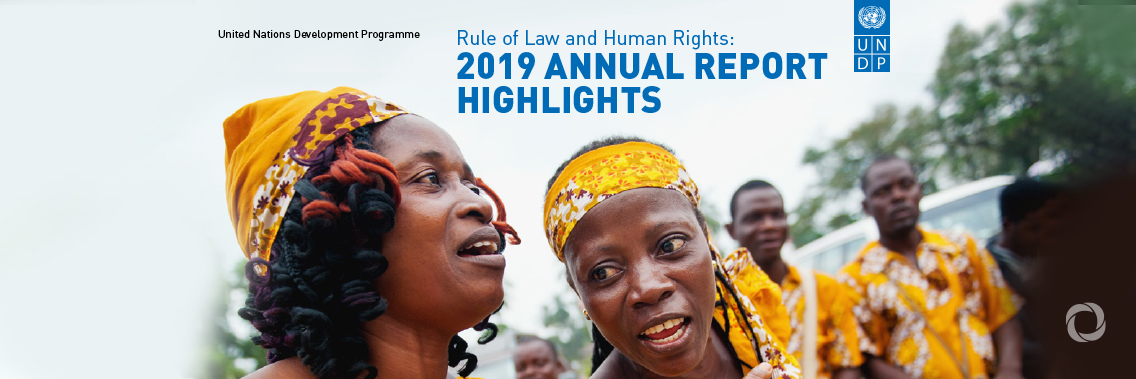
The 2019 Annual Rule of Law and Human Rights Report Highlights was formally launched by UNDP at the event, which captures numerous country, regional, and global results achieved together with partners in nearly 40 crisis-affected contexts around the world.
In his keynote remarks, UNDP Administrator Achim Steiner stated that the global network of UN Member states, United Nations and UNDP staff, public servants, NGOs and individuals represent the collective commitment to strengthen the Rule of Law and Human Rights to achieve the 2030 Agenda. Emphasizing on the urgency of obligations to respect human rights and the rule of law in the current context around COVID-19 pandemic, he further stated:
“It is clear that securing the rule of law and human rights is key to achieving the transformational change we need – based on principles of trust, accountability and justice. This ultimately means forging a new, more inclusive social contract.”
Delegates stressed on the linkages between the rule of law and human rights and its effects on the three pillars of the UN Charter – development, peace and security to achieve a sustainable, inclusive and resilient future.
Key partnerships for the rule of law and human rights were featured throughout the event, including the Global Focal Point for the Rule of Law co-led by UNDP and the Department of peace Operations, Tri-Partite Partnership to Support National Human Rights Institutions (TPP), Saving Lives Entity (SALIENT), the joint UNDP-UNHCR partnership on Rule of Law and Local Governance, the Gender Justice Initiative with UN Women, as well as its other engagements across the system in the rule of law and human rights.
The high-level segment of the meeting was attended by ministerial representatives from countries from Bangladesh, Burkina Faso, and Armenia; representatives of UN Member States; technical specialists; Global Focal Point partners and UN entities (EOSG, UNDP, DPO, OHCHR, UNODC, and UN Women), think tanks; and civil society.
Original source: UNDP
Published on 30 June 2020