
The COVID-19 pandemic has shown that wildlife crime is a threat not only to the environment and biodiversity, but also to human health
Add us as your preferred source on Google to see more of our content in Search.
 Add to Preferred Sources
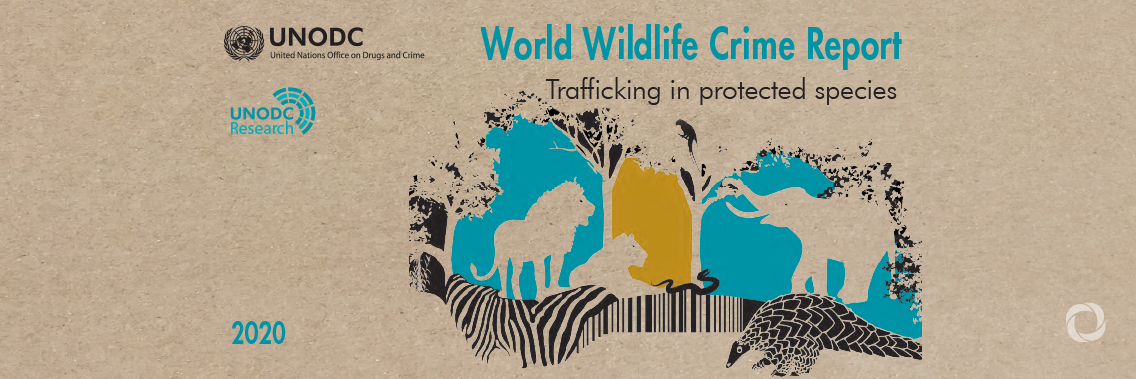
The World Wildlife Crime Report 2020 launched by the United Nations Office on Drugs and Crime (UNODC) emphasizes the threat that wildlife trafficking poses to nature and the biodiversity of the planet.
The report highlights the trafficking of some wild species – pangolins, birds, turtles, tigers, bears, and many more. When wild animals are poached from their natural habitat, butchered and sold illegally, the potential for transmission of zoonotic diseases – those caused by pathogens that spread from animals to humans – is increased.
Zoonotic diseases represent up to 75 percent of all emerging infectious diseases and include SARS-CoV-2 that caused the COVID-19 pandemic. The products offered from the trafficked species for human consumption, by definition escape any hygiene or sanitary control: as such, they pose even greater risks of infectious diseases. The report notes that pangolins, which were identified as a potential source of coronaviruses, are the most trafficked wild mammals in the world, with seizures of pangolin scales having increased tenfold between 2014 and 2018.
The report draws heavily on UNODC’s World WISE database, which contains almost 180,000 seizures from 149 countries and territories. The database shows that nearly 6,000 species have been seized between 1999-2019, including not only mammals but reptiles, corals, birds, and fish. It also shows that no single species is responsible for more than 5 percent of the seizures, no single country was identified as the source of more than 9 percent of the total number of seized shipments and that suspected traffickers of some 150 nationalities have been identified.
This data underscores the global nature of the issue. Wildlife crime affects all countries through its impacts on biodiversity, human health, security, and socio-economic development. Stopping the trafficking in wildlife species is a critical step not just to protect biodiversity and the rule of law, but to help prevent future public health emergencies.
“Transnational organized crime networks are reaping the profits of wildlife crime, but it is the poor who are paying the price,” said UNODC Executive Director Ghada Waly. “To protect people and planet in line with the Sustainable Development Goals, and to build back better from the COVID-19 crisis, we cannot afford to ignore wildlife crime. The 2020 World Wildlife Crime Report can help to keep this threat high on the international agenda and increase support for governments to adopt the necessary legislation, and develop the inter-agency coordination and capacities needed to tackle wildlife crime offences.”
The report further argues the need for stronger criminal justice systems focusing on improving legal frameworks and strengthening the prosecutorial and judicial process. The report illustrates that criminal networks have diversified the resources they exploit and traffic and use the same corrupt networks to move different wildlife products, such as African elephant ivory and pangolin scales, together. To combat these challenges, the report frames the need to improve international cooperation, cross-border investigations and suggests that States make greater efforts to define wildlife crime as a serious crime under the United Nations Convention against Transnational Organized Crime (UNTOC).
Read The 2020 World Wildlife Crime Report.
Original source: UNODC
Published on 10 July 2020