
Add us as your preferred source on Google to see more of our content in Search.
 Add to Preferred Sources
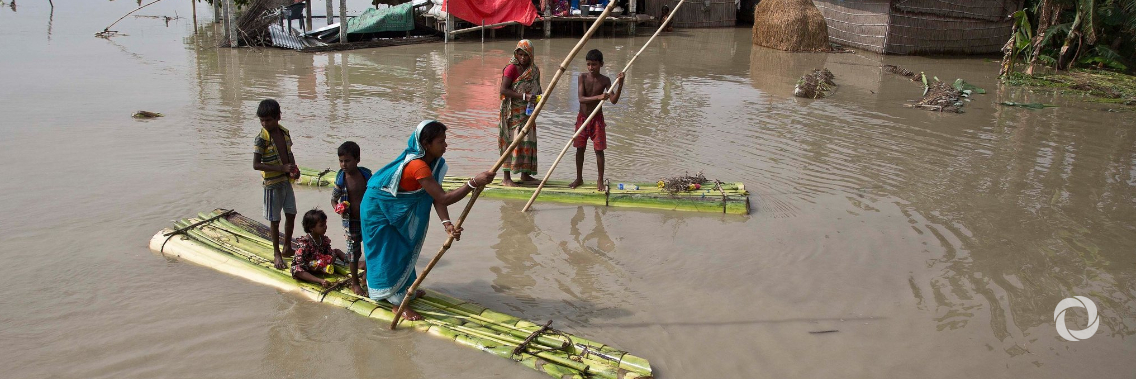
In an innovative approach to dealing with the effects of severe flooding in Bangladesh, the United Nations is using the latest in data and predictive analytics to forecast the next major monsoon floods, gauge likely impacts – and take action – before possible disaster hits.
On 4 July a high probability of severe flooding was forecast for mid-July along the Jamuna River in Bangladesh, with one-third of the area’s total population likely to be affected. That warning was the trigger for the UN to immediately release $5.2 million from the Central Emergency Response Fund (CERF) to help communities urgently prepare and protect themselves.
The money went to three participating agencies – the Food and Agriculture Organization (FAO), the United Nations World Food Programme (WFP) and the United Nations Population Fund (UNFPA) to enable them to prepare to distribute cash, livestock feed, storage drums, and hygiene, dignity and health kits.
On 11 July, the activation trigger was reached when forecasting predicted the floods would reach critical levels in five days. At this point, aid workers began distributing the aid.
Bangladesh is highly vulnerable to climate-related shocks and stresses, including monsoon flooding. In an average year, approximately one-quarter of the country is inundated. In some years, flooding is more intense and surpasses the ability of communities to cope, leading to death and the destruction of infrastructure, livelihoods, and homes, and creates deep humanitarian needs. However, monsoon flooding can be predicted, and humanitarian needs minimized.
This is the latest example of anticipatory humanitarian action. Developments in data and predictive analytics make it possible to anticipate when disaster is about to strike and take action in advance. This approach offers a more dignified, swifter, cheaper, and more efficient solution to humanitarian needs.
“Year after year, floods devastate Bangladesh. The waters not only swallow up homes and lives but with them progress and hope for the Bangladeshi people. I cannot stress enough how important it is to equip communities to prepare and protect themselves against such disasters. As well as saving lives by supporting people in emergencies, we’re also changing lives by intervening before the crisis hits to set families on the road to greater resilience,” said WFP Executive Director, David Beasley.
WFP is delivering cash assistance of $53 to almost 20,000 households (around 100,000 people) via mobile banking. This allows families to spend the money as they choose – to protect themselves from the flooding and build their resilience. They can allocate the money for food, medicines, clothes, or transportation away from the flood sites while the waters are at their highest.
This work is one example of one of many ways the humanitarian community can adapt to the “new normal” of a COVID-19 operating environment by giving even greater support to localized response and use of predictive analytics. More often than not, communities themselves are the first responders and know their needs the best – this anticipatory approach empowers people to help themselves and each other.
Original source: WFP
Published on 15 July 2020