
Add us as your preferred source on Google to see more of our content in Search.
 Add to Preferred Sources
The North American Development Bank (NADB) signed an initial loan agreement for up to $155.4 million pesos with Value Arrendadora for its Border-wide Vehicle Program for Public Transportation in Mexico, which is expected to improve public and private personnel transportation fleets in urban areas throughout the northern border region of Mexico, as well as help displace criteria pollutants and greenhouse gases.
The purpose of the program is to lease or finance up to 223 vehicles with cleaner technologies for public and private personnel transportation services. The total estimated cost of the program is $613.3 million pesos. NADB is participating in the program by providing a loan to Value Arrendadora through various contracts for up to a total of $521.3 million pesos for the partial funding of the vehicles to be leased or financed.
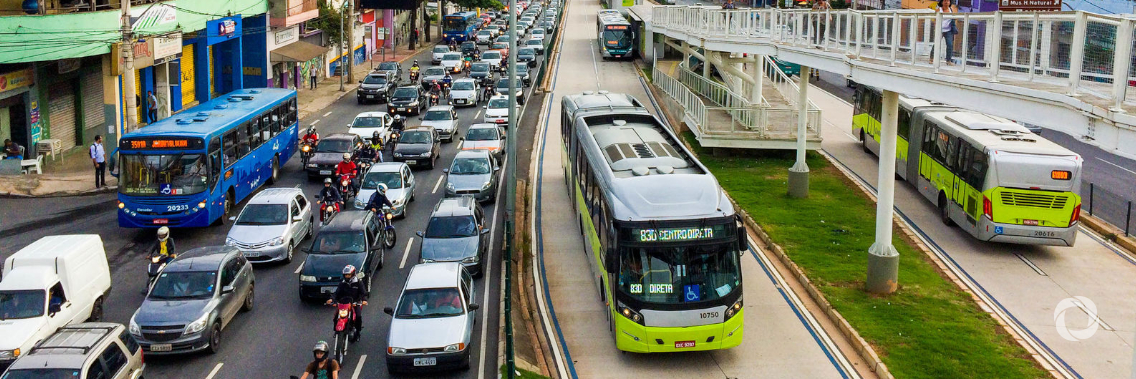
The program consists of two phases. The first phase, which corresponds to the initial loan agreement for $155.4 million pesos, covers the partial funding of 63 vehicles that are being leased by Value Arrendadora to the State Government of Nuevo Leon for the public transportation in the metropolitan area of Monterrey.
For the remaining 160 vehicles under the second phase of the program, NADB will promote the use of cleanest technologies available in Mexico, such as electric, natural gas and ultra-low sulfur diesel vehicles, which will have to meet or exceed Mexican emission standards and be capable of being used in the region.
“The project offers significant advances in urban mobility for the region by reducing emissions and improving the quality of public transportation services by providing a comfortable, safe and rapid option for the existing market,” stated NADB Managing Director Calixto Mateos-Hanel. “We are pleased to collaborate with Value Arrendadora in supporting the use of cleaner technologies to improve air quality and foster a modal change from less efficient modes of transportation in urban border areas.”
The Project is expected to generate environmental and human health benefits related to a reduction in air pollutants by offering vehicles that comply with or exceed the emission requirements established by the Mexican Ministry of Environment and Natural Resources (SEMARNAT). Compared to older diesel technologies commonly used in major cities in the Mexican border region, the use of the 223 new vehicles is expected to lower nitrogen oxides (NOx) by approximately 48 metric tons/year; carbon dioxide (CO2) emissions by 1,756 metric tons/year; and particulate matter with a diameter of 2.5 micrometers or less (PM2.5) by 0.6 metric tons/year.
Original source: NADB
Published on 16 July 2020