
Add us as your preferred source on Google to see more of our content in Search.
 Add to Preferred Sources
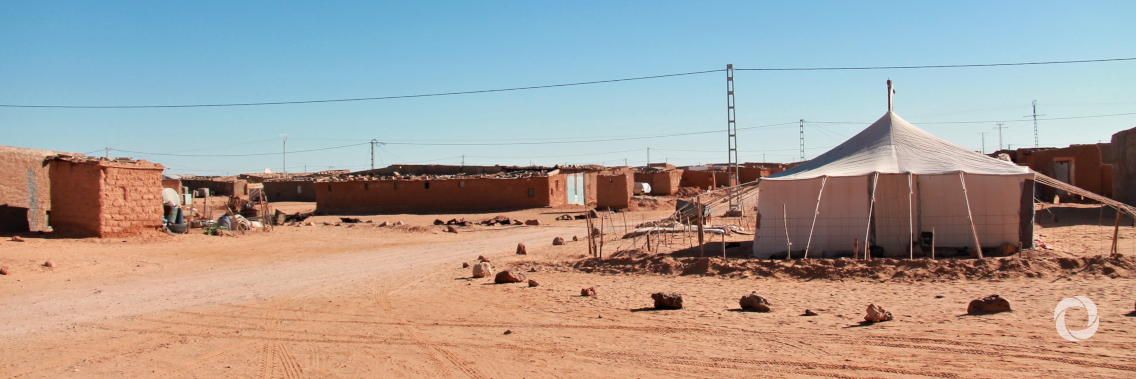
The Coronavirus has breached the Sahrawi refugee camps in Algeria, putting over 170,000 chronically vulnerable refugees at significant risk, Oxfam said.
The rates of pre-existing health conditions in the camps is gravely concerning and could make this outbreak particularly dangerous. Fifty-two percent of women living in the camps are anemic, over 11 percent of adults have diabetes, and six percent live with celiac disease, the highest prevalence in the world.
The camp clinics have no ventilators, too few beds, and drastic shortages of medical supplies and protective equipment.
Oxfam Country Director in Algeria, Haissam Minkara, said: “This is the news people here have been fearing. Sahrawi refugees have been displaced for 45 years in the harsh Algerian Sahara, where food and water are incredibly scarce and so many suffer from pre-existing vulnerabilities. The health infrastructure in the camps is too fragile to cope with the potential catastrophe that COVID-19 could bring.”
Despite a joint appeal for $14 million launched in April by Oxfam and eight other humanitarian agencies operating in the refugee camps to mitigate the worst effects of the pandemic and adapt programs in the health, water and sanitation, food, and education sectors to address emerging challenges, the COVID-19 response remains drastically underfunded. Local authorities and organizations remain extremely underprepared to protect people.
“The Sahrawi refugee crisis has been overlooked by the international community for over four decades and now the stakes couldn’t be higher. Organizations like Oxfam are mobilizing resources, but it will not be enough. The international community must support local authorities and agencies to deal with this outbreak or the outcome could be catastrophic,” said Mr. Minkara.
Oxfam is distributing protective equipment and hygiene items to 33 public health facilities and clinics in the camps, improving people’s access to clean water, increasing distributions of fresh fruit and vegetables, as well as gluten-free flour, and promoting proper hygiene practices among the community.
Original source: Oxfam
Published on 30 July 2020