
Add us as your preferred source on Google to see more of our content in Search.
 Add to Preferred Sources
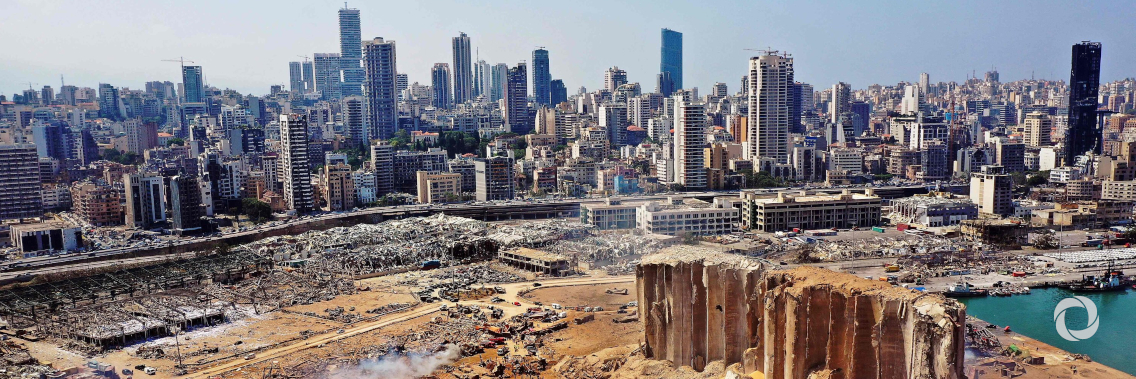
The United Nations is working closely with the authorities in Lebanon to support ongoing response in the aftermath of the massive deadly explosion that rocked Beirut on August, 4, destroying large swathes of the capital.
More than 130 people were killed in the blast, which ripped through the port and surrounding area, causing countless injuries and leaving thousands homeless. The Government has declared a two-week state of emergency.
UN Deputy Spokesperson Farhan Haq stated that support for hospitals and trauma response is a top priority.
“The World Health Organization (WHO) is working closely with the Lebanese Ministry of Health to conduct an assessment of hospital facilities in Beirut, their functionality and needs for additional support, particularly amid the COVID-19 pandemic”, he said.
“Specialists are being dispatched to Beirut at the moment to assist in the emergency response, both from the United Nations and multiple Member States. Experts are en route to support urban search and rescue operations. Teams are also equipped to conduct rapid assessments about the situation on the ground and help coordinate emergency response activities.”
Beirut’s port is the main port in Lebanon and is critical for both the country and UN activities in Syria, as Mr. Haq explained.
“We expect that the damage to the port will significantly exacerbate the economic and food security situation in Lebanon, which imports about 80-85 percent of its food”, he said.
“Our colleagues at the Office for the Coordination of Humanitarian Affairs (OCHA) also expect that this will affect our ability to provide aid to Syria because the port in Beirut was one of the ways that we ship in aid, and of course we also use the airports, so we’ll need to find alternate plans.”
Meanwhile, the World Food Programme (WFP) is undertaking an assessment of food needs. An assessment of shelter needs is also underway.
WFP said the explosion and the damage to the port will worsen “the grim economic and food security situation in Lebanon”, which was already facing its worst-ever economic crisis, compounded by the COVID-19 pandemic.
“A recent WFP survey on the impact of the economic crisis and COVID-19 outbreak and subsequent lockdown measures on livelihoods and food security, revealed that food has become a major source of concern with 50 percent of Lebanese saying over the past month they felt worried they would not have enough food to eat”, the agency said.
The UN is looking at all options to find ways to provide financial assistance for the ongoing response efforts.
The Organization has been heartened to see that governments across the world have declared their support for Lebanon, said Mr. Haq, who recalled that the country has been a haven for people fleeing war and persecution.
Original source: UN News
Published on 5 August 2020