
Beirut blast: UN humanitarian chief calls for ‘collective response’ from the international community
Add us as your preferred source on Google to see more of our content in Search.
 Add to Preferred Sources
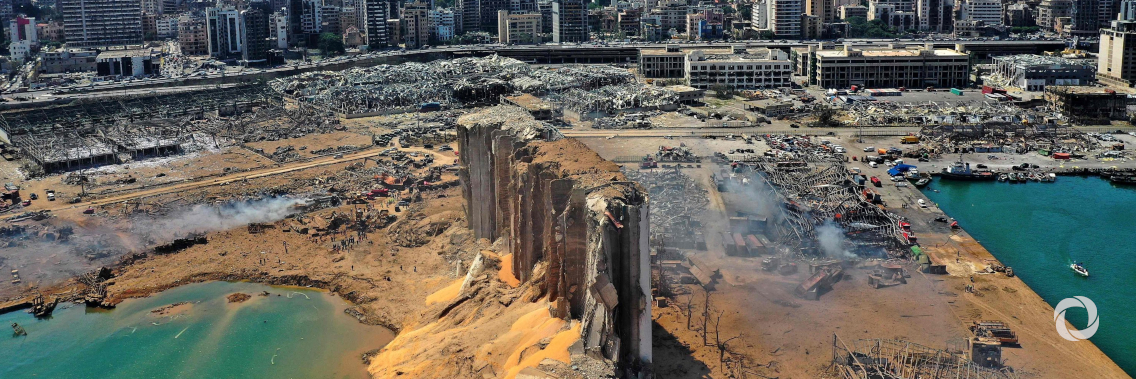
A collective response from the international community is necessary to best serve the people of Lebanon in the aftermath of the explosion that destroyed the port of Beirut and part of the city last week, the United Nations humanitarian chief said at a briefing for Member States.
“The Lebanese people – generous and strong for so many and for so long – are telling us they’ve had enough. As they steel themselves for a long and difficult journey, we must remain by their side, offering our resources and our influence, as well as our hearts,” said Under-Secretary-General for Humanitarian Affairs and Emergency Relief Coordinator Mark Lowcock at the opening of the virtual briefing.
Mr. Lowcock emphasized that the Beirut blast brought destruction to a country that is already grappling with serious challenges. He noted that while the humanitarian response has been swift and wide-ranging, it is just the first phase in what will be three phases of response.
The second phase – recovery and reconstruction – will cost billions of dollars and require a mix of public and private finance. The third element will include responding to Lebanon’s pre-exciting socioeconomic crisis, which is already exacerbated by COVID-19.
“This blast will have repercussions far beyond those we see in front of us now,” said Mr. Lowcock.
“Donors, international financial institutions, and the wider international community should come together and put their shoulder to the wheel. We will best serve the Lebanese people with a collective response,” he added.
At the opening of the briefing, UN Secretary-General António Guterres expressed his “total solidarity” with the people of Lebanon.
“The United Nations system will continue to support Lebanon in every possible way through this emergency,” said Mr. Guterres.
Also last week, Mr. Lowcock released $6 million from the UN Central Emergency Response Fund (CERF) to help the response to the Beirut port blast.
Original source: UNOCHA
Published on 10 August 2020