
Add us as your preferred source on Google to see more of our content in Search.
 Add to Preferred Sources
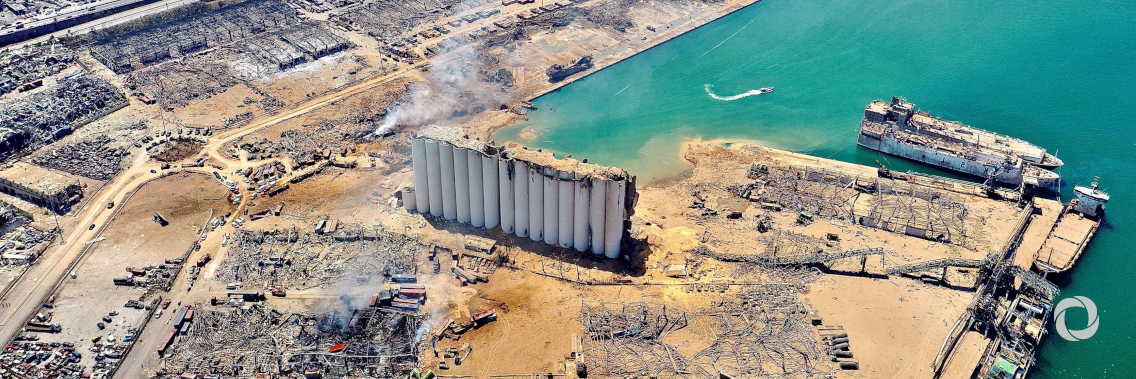
The devastation caused by the Beirut explosions on 4 August has focused attention on the risks involved in the transportation and storage of dangerous goods around the worldwide. The UN is at the forefront of international efforts to reduce these risks and save lives.
Many offices and agencies of the UN have been mobilized to respond to the aftermath of the disaster, provide emergency aid, and coordinate the international community’s response.
The cost of reconstruction is estimated to be in the range of several billion dollars and, on August 10, Mark Lowcock, the UN’s Emergency Relief Coordinator, called for donors to “come together and put their shoulder to the wheel” for the benefit of the Lebanese people.
Three days later, a group of independent UN human rights experts released a statement decrying the “level of irresponsibility and impunity surrounding human and environmental devastation” in the city, and called for an independent investigation that clarifies responsibility for the man-made disaster, and leads to justice and accountability.
In their statement, the experts also maintained the right of the Lebanese people to clear and accurate information about the health and environmental risks to which they are exposed.
The explosions have led to much soul-searching in Lebanon, but it is far from the only country whose citizens are at risk from sites containing dangerous materials: according to the Small Arms Survey, a research organization based in Geneva, Switzerland, tens of thousands of people have been killed by unplanned explosions at arms depots over the past four decades.
However, several internationally agreed rules and regulations concerning the transportation of dangerous cargo have been in circulation for several years. From the International Maritime Dangerous Goods Code, published by the UN International Maritime Organization (IMO), to the International Labour Organisation (ILO) code of practice on safety and health in ports.
But, as Alfredo Parroquín-Ohlson, the head of Cargoes and Technical Cooperation Coordination at the IMO explained, whilst the UN can convene countries to thrash out these rules and guidelines, the states themselves are responsible for making sure they are followed.
“Monitoring falls to shipping companies, and it is the responsibility of each country to verify that regulations are applied and implemented properly. If procedures are not followed, then there will, of course, be gaps. This clearly happened in the case of Beirut”, he said.
“We can only hope that this kind of catastrophe raises the general awareness of the risks involved”, added the UN official, “and we are sure that many ports are taking a closer look at the kind of dangerous materials they have on their hands, and are now revising their procedures.”
The responsibility of governments around the world to identify risks is included in the Sendai Framework for Disaster Risk Reduction, the first of the 2030 Agenda global agreements, adopted in 2015, which sets out how Member States can reduce risk. It calls for Member States to finalize their strategies for disaster risk reduction by the end of this year.
The message from these UN officials is that fresh rules and regulations are not necessarily needed. What is more important, is a change in our behaviour and the way we factor risk into the way we live, whether at a personal level, or at a national level.
Original source: UN News