
Add us as your preferred source on Google to see more of our content in Search.
 Add to Preferred Sources
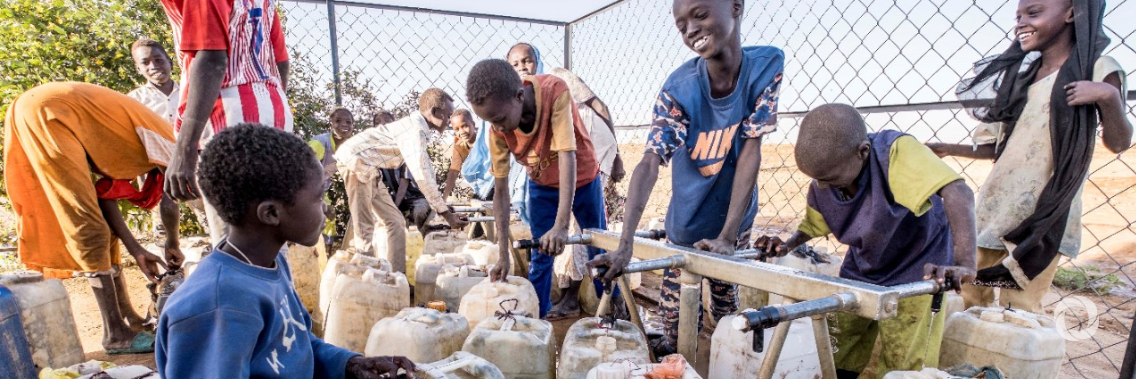
The Green Climate Fund has approved US$25.6 million in new funding for an innovative climate resilience project in Sudan, designed to promote agriculture, health, and food and water security.
Led by Sudan’s Higher Council for Environment and Natural Resources with support from the United Nations Development Programme (UNDP), the five-year project will provide training, deliver equipment, rehabilitate land for sustainable use, introduce new climate-resilient practices, and construct infrastructure for water storage, build wells and dams. Around 1.2 million people from subsistence farming and nomadic pastoralist communities across 9 states will directly benefit from the initiative, along with an additional 2.5 million people expected to be indirectly benefitted.
The initiative comes at a time when climate threats are looming large – leading to variations in rainfall and temperatures across Sudan’s arid and semi-arid drylands, pushing lives and livelihoods in peril. Poverty is deepening with the country already in conflict, and additional challenges posed by COVID-19.
Working at national and local levels, the new project will help Sudan address significant challenges. “This project will improve health, food, and water security for 3.7 million people in Sudan, safeguarding them against the worsening, life-threatening impacts of a changing climate, while building resilience and infrastructure for the vital agriculture sector”, said UNDP Resident Representative, Selva Ramachandran.
The project leverages US$15 million in co-finance from Sudan’s Federal Ministry of Agriculture and Natural Resources and UNDP grant of $540,000. UNDP’s support for the initiative is part of its efforts to drive a new ‘Green Deal’ in Sudan, ensuring climate protection and mitigation, including the introduction of renewable energy in agriculture, health and rural communities; and reducing reliance on fossil fuels.
Original source: UNDP