
Add us as your preferred source on Google to see more of our content in Search.
 Add to Preferred Sources
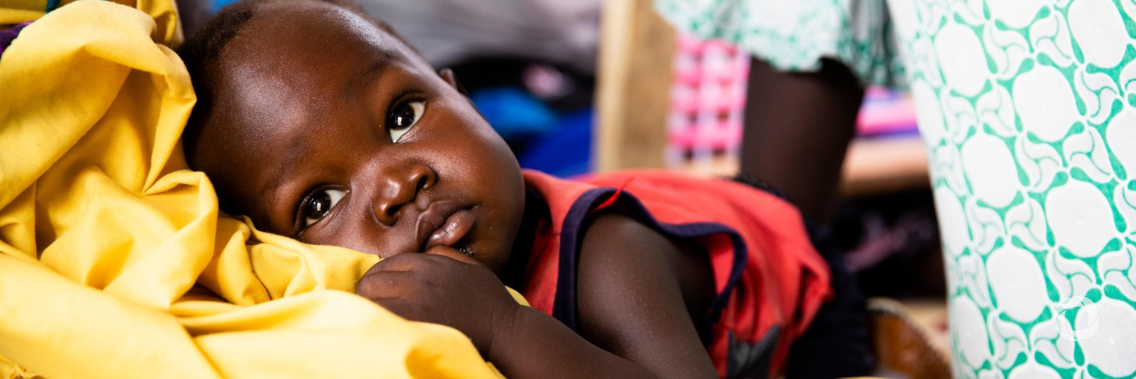
New data from UN Children’s Fund (UNICEF) has revealed a worsening nutritional situation for children in Burkina Faso, with more than 535,000 children under the age of five suffering from acute malnutrition – an unprecedented level.
Among them, some 156,500 children are “severely” malnourished, leaving them nine times more likely to die than well-nourished children, according to UNICEF.
“The aggravating factors causing the nutritional situation of children to deteriorate are primarily linked to the displacement of populations due to insecurity, reduced access to livelihoods, and reduced access to health care and nutrition,” said James Mugaju, UNICEF Deputy Representative in Burkina Faso.
“The coronavirus pandemic has had a brutal impact on households and their ability to provide for the basic needs of their children. Children are paying the highest price, facing a triple crisis: security, health, and food,” he added.
Burkina Faso, a landlocked country in West Africa, has over one million internally displaced persons – 60 percent of whom are children, and 3.3 million suffer from acute food insecurity.
According to the survey, the town of Gorom-Gorom in the Sahel region and the Barsalogho site for internally displaced persons in the Centre-Nord region are worst affected, where children under five suffering from global acute malnutrition recorded 18.4 percent and 16.1 percent, respectively. The figures exceed the World Health Organization (WHO) emergency threshold of 15 percent.
Areas, where children are particularly affected by acute malnutrition, are also those with the highest number of acutely food-insecure families, said UNICEF, calling for intensified efforts to ensure the continuity of nutrition services to provide an integrated package of prevention and treatment of malnutrition to reach the children in urgent need.
UNICEF and its partners have stepped up their response. Community health workers have been mobilized to travel to the most remote areas to screen and treat malnourished children at the community level, where they also provide advice on the best feeding practices for infants and young children, including in emergency situations.
The UN agency is also supporting health authorities and is strengthening efforts to procure and deliver therapeutic foods, such as milk and ready-to-use therapeutic foods, to treat acute malnutrition. More than 52,600 cartons or about 737 tonnes of therapeutic food have been delivered to healthcare facilities and 51,685 children with severe acute malnutrition have been treated since January 2020.
Original source: UN News