
Add us as your preferred source on Google to see more of our content in Search.
 Add to Preferred Sources
Two years after an earthquake and tsunami struck communities in Central Sulawesi, Indonesia, thousands of survivors face a severe socio-economic crisis caused by the COVID-19 pandemic.
The September 28 earthquake triggered a three-meter high tsunami and soil liquefaction that left more than 4,100 people dead and some 110,000 houses damaged or destroyed. Indonesian Red Cross Society volunteers from the affected areas were the first to respond, and staff and volunteers from all over Indonesia have been involved in the two-year relief and recovery effort.
This massive operation involving the government and multiple agencies has also faced challenges. While many displaced people have alternative accommodation, they are often living with relatives due to the widespread destruction of residential areas, the huge scale of people displaced, and most recently COVID-19.
Limited employment opportunities in the area due to damage caused to the local industry have been compounded by social restrictions across Indonesia. The Regional Development Planning Agency reports that the impact of the COVID-19 pandemic has been worse for the local economy than the disaster two years ago.
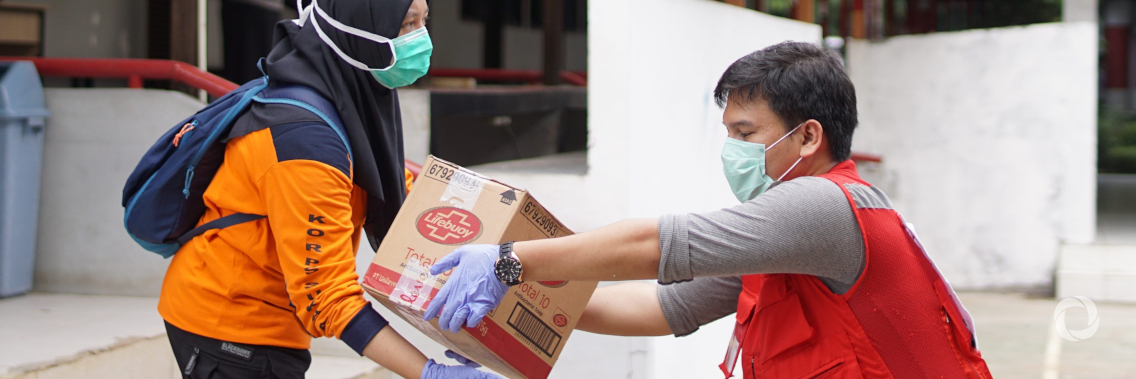
“Over the last two years, Indonesian Red Cross has been delivering emergency and recovery programs to people in Sulawesi, adjusting in the past six months to protect people from COVID-19 while expanding the scope to support those affected by the disasters and who are facing even more hardships due to the pandemic,” said Secretary-General of Indonesian Red Cross (PMI), Sudirman Said, explained.
International Federation of Red Cross and Red Crescent Societies (IFRC) supported Indonesian Red Cross assistance for affected communities has included emergency healthcare for 17,600 people; close to 22 million liters of water has been distributed to over 70,000 people; health promotion activities and psychosocial support have helped to keep 14,000 people safe and well. In the recovery phase, PMI and IFRC are on pace to provide cash assistance to more than 10,000 families (40,000 people) amounting to around CHF 4 million in direct cash transfers.
Original source: IFRC