
Add us as your preferred source on Google to see more of our content in Search.
 Add to Preferred Sources
Rising inequality, biodiversity loss, the growing impact of climate change, and unrelenting pressure on natural resources could lead to irreversible environmental damage in the Mediterranean basin, according to a new report by the UN Environment Programme (UNEP).
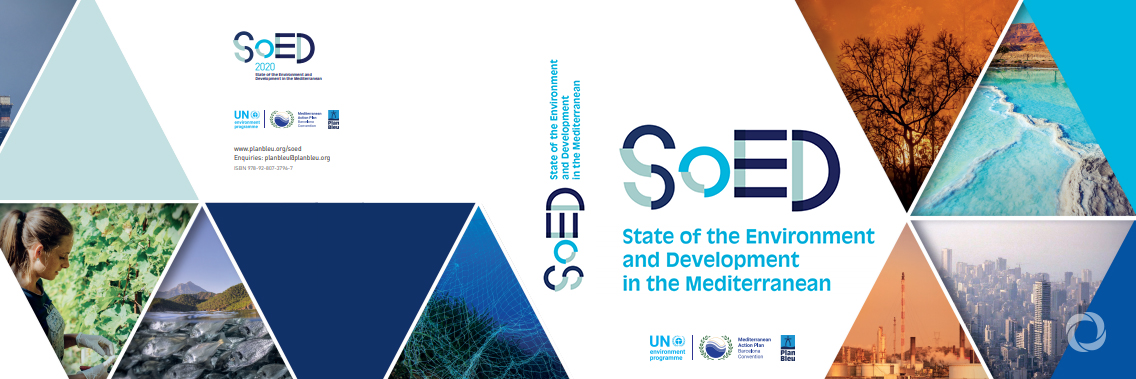
The State of the Environment and Development in the Mediterranean finds that, unless urgent and resolute action is taken to halt current trends, environmental degradation could have serious and lasting consequences for human health and livelihoods in the region. Last published in 2009, the report is produced by Plan Bleu, a regional activity centre of the UNEP Mediterranean Action Plan (MAP).
According to the report, 15 percent of deaths in the Mediterranean are attributable to preventable environmental factors; in 2016, more than 228,000 people died prematurely from exposure to air pollution. The region – one of the world’s most coveted tourism destinations (360 million arrivals in 2017) and one of its busiest shipping routes – is polluted by an estimated 730 tonnes of plastic waste every day. The presence of more than 1,000 non-indigenous species also poses threats to biodiversity, and the region is warming 20 percent faster than the global average.
“By shedding light on the mistakes of the past, the report’s findings can guide a green renaissance in the Mediterranean. Embarking on greener development paths now can halt the environmental degradation trends and salvage hard-won achievements in the implementation of the Sustainable Development Goals (SDGs),” said Gaetano Leone, Coordinator of the UNEP/MAP-Barcelona Convention Secretariat.
With GDP on the European shore on average three times higher than in south and east Mediterranean countries, the report indicates that the region, which is home to more than 512 million people, is not on track to achieve the SDGs by 2030.
“The future of the Mediterranean is on the line. In the past few months, the world has been wondering what the world will be like in the future,” said François Guerquin, Director of Plan Bleu. “This is the third issue of the SoED report since 2005 and very little has changed since. If we want to protect the Mediterranean for present and future generations, we can no longer afford piecemeal steps. We must embark on drastic changes in our relationship with nature.”
In order to induce transformative change that tackles the drivers of environmental degradation, the report identifies five levers of action:
- Incentives and capacity building
- Intersectoral cooperation
- Preventive action
- Resilience-building under uncertainty
- Enforcement of legal obligations
The report provides a foundation for evidence-based environmental action in the region; its authors stress the urgent need for appropriate and effective policy responses to alleviate pressure on the environment while meeting pressing human development needs.
Read the report: The State of the Environment and Development in the Mediterranean.
Original source: UNEP