
Add us as your preferred source on Google to see more of our content in Search.
 Add to Preferred Sources
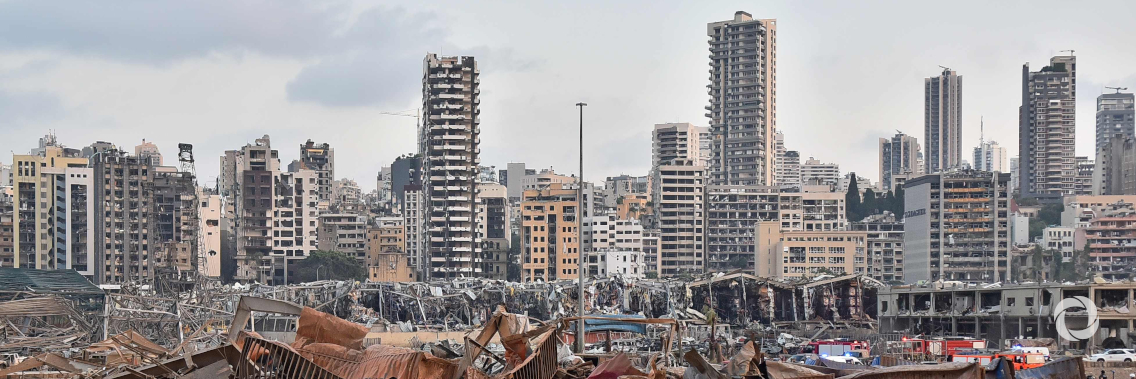
Following the explosion on 4 August, local non-governmental organizations and volunteers from all over Lebanon and its diaspora flooded to the impacted neighbourhoods to clean and repair the damages, particularly for the vulnerable and the elderly.
The blast hit when the country was already grabbling with a stifling economic crisis, which was compounded by the COVID-19 pandemic.
Lebanon also suffers from deep and entrenched gender inequalities, which means that any crisis further exacerbates the risks and vulnerabilities that women face. Lebanon ranks 145 out of 153 on the global World Economic Forum Gender Gap Index, and 139 on women’s economic participation. According to a rapid assessment that UN Women and ACTED produced immediately after the explosion, elderly women are among the most vulnerable. They are less likely than men to have worked in their life, to have savings or pensions, and are over-represented among Lebanon’s poorest. Other vulnerable groups who need immediate help are pregnant and lactating women. This assessment is part of UN Women’s efforts to support aid operations to effectively respond to the needs of women and girls impacted by the explosion.
“It is critical to understand how the Beirut blast affected women, men, girls, boys, and other gender minorities, to plan and implement an effective humanitarian response,” said Rachel Dore-Weeks, Head of UN Women Lebanon. “In general, women are less resilient to shocks than men because they are less likely to have jobs, savings, bank accounts, social protection, and extensive social networks beyond their immediate family – all things critical to enabling them to cope with such a disaster. We urge Lebanon and all partners to prioritize the needs of vulnerable women, particularly the elderly, in our collective response to the explosion.”
Since the explosion, UN Women has adapted its programmes to provide immediate relief to women and girls. Through its partners, the majority of whom are women-led national organizations, UN Women has provided protection and psychosocial assistance to those affected, and supported the distribution of essential items, such as food and cash.
Original source: UN Women