
Add us as your preferred source on Google to see more of our content in Search.
 Add to Preferred Sources
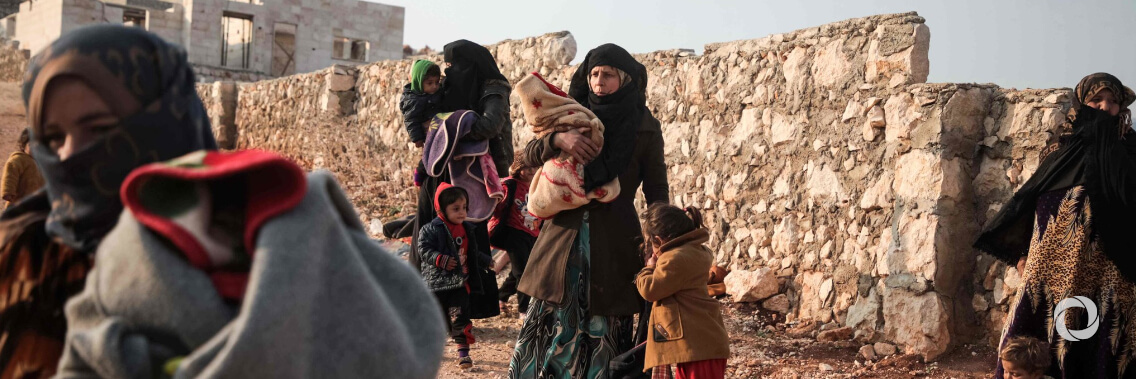
More than three million people across Syria require assistance through what is likely to be an “incredibly hard” winter, the acting deputy UN Emergency Relief Coordinator told the Security Council, highlighting that the displaced remain “particularly vulnerable”.
Against the backdrop that 6.7 million people in Syria are internally displaced – a third of whom lack proper shelter and live in damaged buildings, or public spaces like schools or tents – Ramesh Rajasingham, Acting Assistant Secretary-General for Humanitarian Affairs told ambassadors online that “winter weather is proving to be incredibly hard for those without adequate shelter” or “basics like fuel for heating, blankets, warm clothes, and shoes”.
Turning to the economic crisis, Mr. Rajasingham noted that between the devaluation of the Syrian currency and increasing food prices, people are “increasingly unable to feed their families”.
“Today an estimated 9.3 million people in Syria are food insecure – that’s 1.4 million more people than a year ago and more than at any other time during the crisis”, he informed. “About one million of them are severely food insecure – twice as many as last year – and we expect this number to increase”.
On protecting civilians, the UN official noted that some areas of the country that had been temporarily spared fresh violence are now seeing its return, with significant consequences for their human rights and well-being.
Citing “inconsistent” humanitarian access, the deputy relief chief maintained that already devastated health facilities are being further impacted by gaps in medical assistance in northeast Syria.
The UN official’s final point was on protecting those providing aid across Syria.
Humanitarian agencies throughout the country have collectively reached some 7.4 million people with assistance each month “to stave off an even worse situation”, he stated.
Original source: UN News