
Add us as your preferred source on Google to see more of our content in Search.
 Add to Preferred Sources
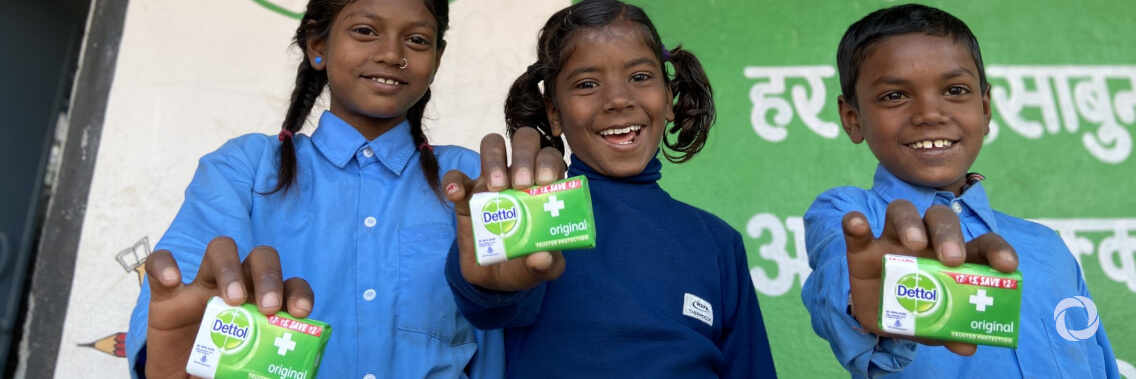
The School Hygiene Education Programme is a joint initiative between the Aga Khan Foundation and Reckitt Benckiser under the Dettol Banega Swachh India campaign, a flagship, nation-wide sanitation and hygiene campaign initiated by RB.
The campaign seeks to drive behaviour change through a multifaceted approach, which targets schools and the community at large. The school programme within the flagship national initiative by RB has been designed in recognition of the fact that, by changing the mindset and behaviour of school students, they can become a catalyst for change in schools, homes, and neighbourhoods. By working with teachers and principals, the right knowledge can be passed on to build good habits in children and future generations.
The continuation of the RB-AKF partnership in the fourth year has evolved and is being scaled to impact over 800,000 children across 4000+schools in the three states of Bihar, Gujarat, and Uttar Pradesh. This is being undertaken by combining on-the-ground implementation in schools along with technical assistance to education departments as they develop the hygiene curriculum in schools.
“Changing hygiene behaviour is critical for healthier lives and to help protect children from illness. Having access to safe WASH facilities is a major requirement for a healthy learning environment, benefitting both children’s health and education,” said Dr. Matt Reed, Global Director of Institutional Partnerships, Aga Khan Foundation.
This programme aims to ensure that children have good hygiene and sanitation practices instilled in them from an early age, making them a catalyst for change in their respective families. Through this programme, government school teachers are delivering sanitation and hygiene curriculum, aimed at driving behavioural change in students and building awareness in the surrounding communities the schools operate in. For this to be successful, local governments must be involved to ensure that basic sanitation infrastructure is available in schools.
Find the report here.
Original source: Aga Khan Foundation