
Add us as your preferred source on Google to see more of our content in Search.
 Add to Preferred Sources
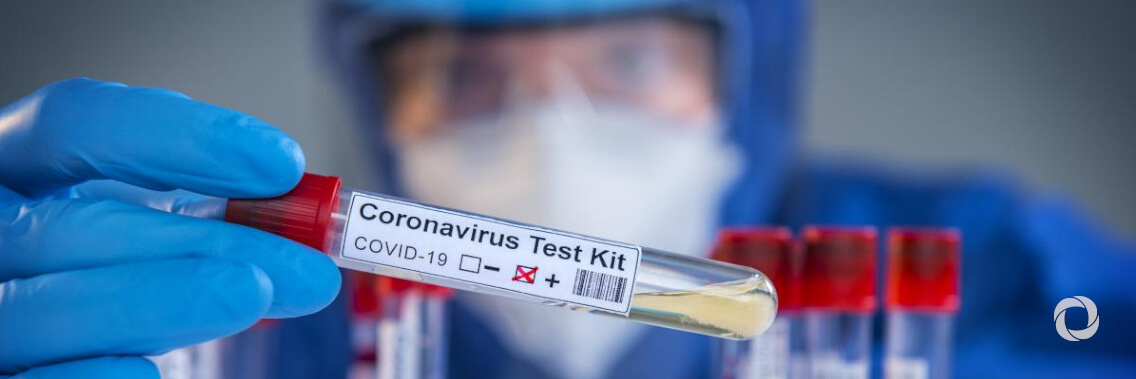
Testing will still be a critical tool against COVID-19, even as vaccines are deployed against the disease, the head of the World Health Organization (WHO) said during his regular briefing on the crisis.
WHO chief Tedros Adhanom Gheybreyesus emphasized how testing has been common among countries which have worked to control the virus.
“As vaccines are rolled out, testing will continue to play a vital role”, he said.
“Initially, health workers, older people, and other at-risk groups will be prioritised for vaccination. That will still leave the virus with a lot of room to move, and testing will remain a vital tool for controlling the pandemic.”
However, Tedros stressed that though vital, testing is only part of the strategy against COVID-19.
“Testing is the spotlight that shows where the virus is. Investments in testing must be matched by investments in isolation facilities, clinical care, protecting health workers, contact tracing, cluster investigation and supported quarantine”, he stated.
Meanwhile, WHO said more information is needed concerning the vaccine developed by the pharmaceutical company AstraZeneca and Oxford University.
The partners announced this week that clinical trials showed a regimen consisting of one half-dose of the vaccine, followed by a full dose a month later, was more effective than two full doses.
Dr. Katherine O’Brien, Director of Immunization, Vaccines, and Biologicals at WHO, underlined the need for further evaluation as the data were reported in a press release.
WHO’s Chief Scientist, Dr. Soumya Swaminatha, pointed out that less than 3,000 people were given the lower-dose regimen, according to the press release, all of whom were 55 years old or younger.
She added that the other group consisted of more than 8,000 people of varying ages, thus making it very hard to compare the two, while overall, their numbers were too small to come to any definitive conclusions.
Global experience with storage and distribution of the Ebola vaccine could inform the delivery of any potential inoculation against COVID-19 once developed, according to WHO.
“There is demonstrated experience of delivering ultra-cold chain vaccines, even in some of the most difficult and remote areas,” said Dr. O’Brien. “But that has also taken enormous resources to do that.”
As ultra-cold chain logistics are not in place everywhere, including in high-income nations, Dr. O’Brien suggested that countries will have to “innovate” around systems for delivering COVID-19 vaccines that have this requirement.
One approach could be to use them for immunizing certain segments of the population.
She cited health professionals as an example because they work in facilities where immunization would take place and where it would be easier to install the ultra-cold chain freezers.
Original source: UN News