
Add us as your preferred source on Google to see more of our content in Search.
 Add to Preferred Sources
The COVID-19 has created challenges to refugees and migrants during 2020; from a heightened risk of catching the COVID-19 virus in crowded camps to being stranded due to travel restrictions, and becoming the targets of criminal gangs.
“We fled from home to save our lives, to escape war, and now we are faced with this new coronavirus”, said Rozhan, an Iraqi refugee who made a long and arduous journey to the European country of Bosnia-Herzegovina, with her husband, Ibrahim, and their three children.
By April they were sheltering in a camp run by the UN migration agency (IOM), where they became aware of coronavirus.
IOM worked hard to prevent the spread of COVID-19 among people in its centres, installing sanitizer stations, educating staff and residents about safety, and closing community kitchens, to avoid large gatherings. Despite the fresh disruption to their lives, Rozhan and her family said that they understood why the new measures are necessary.
Sounding the alarm
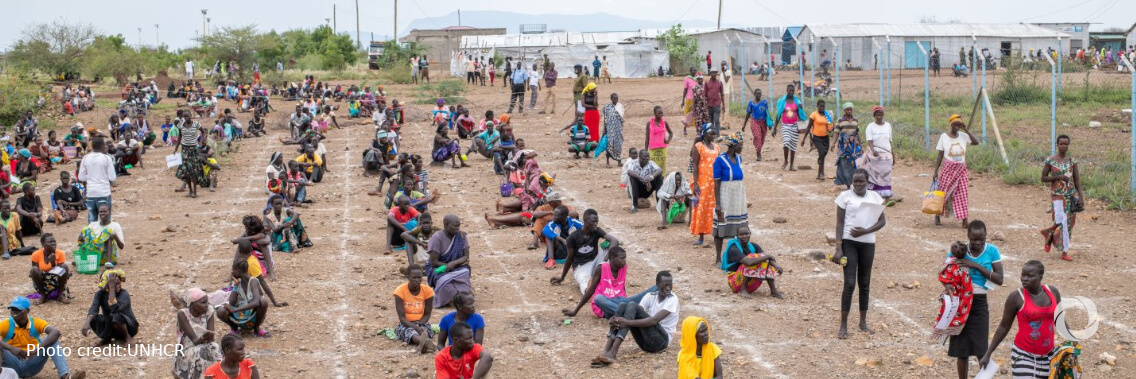
However, safety and hygiene have been harder to maintain in other camps, particularly in developing countries. In April, the UN sounded the alarm over the fate of refugees, migrants, and other displaced people during the pandemic, warning that high-density camps could be the cause of mass COVID infections.
A statement released jointly by prominent UN agencies, including IOM and the UN refugee agency UNHCR, noted that many migrants live in overcrowded facilities, settlements, makeshift shelters or reception centres, where they lack adequate access to health services, clean water and sanitation.
Particular concern was expressed for refugees and migrants held in detention centres, including migrant children and their families, as well as those detained without a sufficient legal basis.
Targeted by organized crime
Following the imposition of COVID-related restrictions in Honduras, El Salvador and Guatemala, a rise in extortion, drug trafficking, and sexual and gender-based violence was recorded by the UN refugee agency, UNHCR, in May.
In 2019, violence in the region had forced some 720,000 people to flee their homes, although almost half of them remain displaced within their own country. As the pandemic took hold in Central America, organized criminal groups began exploiting lockdown measures to strengthen their grip, using forced disappearances, murders, and death threats, to force the local population to submit.
A UNHCR spokesperson said that movement restrictions were making it harder for those that need help and protection to obtain it, while those that needed to flee for their lives, faced increased hurdles in seeking safety.