
Add us as your preferred source on Google to see more of our content in Search.
 Add to Preferred Sources
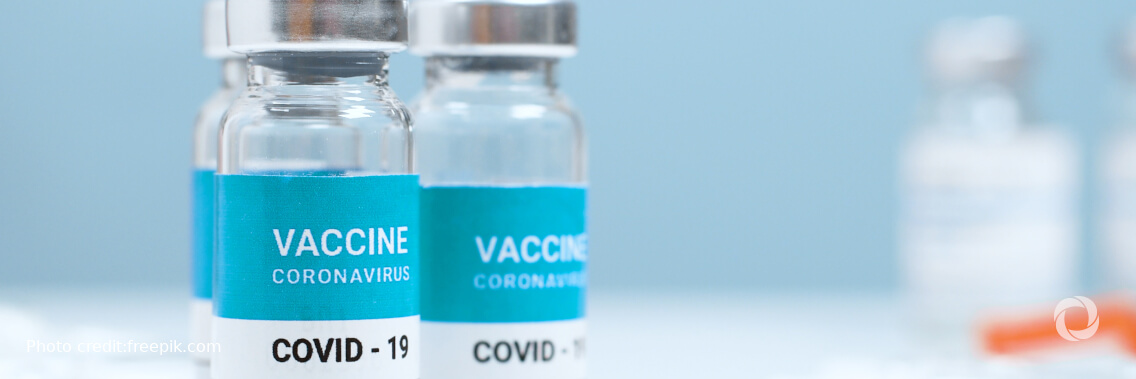
The COVID-19 vaccine developed by Moderna has today been given regulatory approval for supply by the Medicines and Healthcare products Regulatory Agency (MHRA). This follows a thorough and rigorous assessment by the MHRA’s teams of scientists, including advice from the independent Commission on Human Medicines, which reviewed in-depth all the data to ensure this vaccine meets the required standards of safety, quality, and effectiveness.
This is the third COVID-19 vaccine to be approved for use by the MHRA and is the second mRNA vaccine (the Pfizer/BioNTech vaccine approved in December 2020 is also an mRNA vaccine).
“Today’s approval brings more encouraging news to the public and the healthcare sector. Having a third COVID-19 vaccine approved for supply following a robust and thorough assessment of all the available data is an important goal to have achieved and I am proud that the agency has helped to make this a reality,” said MHRA Chief Executive Dr. June Raine.
Vaccine Background
This Moderna vaccine works by injecting a small part of the COVID-19 virus’ genetic code, which triggers an immune response and creates antibodies in the human body able to fight the virus. The dosage for this specific vaccine requires two doses to be given. It is recommended to administer the second dose 28 days after the first. It is approved for use in people 18 years and over, and it can be used by pregnant and breastfeeding women following a discussion with their healthcare provider on the benefits and risks. It can be stored at -20°C for up to six months.
In line with the other COVID-19 vaccines that have been approved, the Moderna vaccine should only be considered for use in pregnancy when the potential benefits outweigh any potential risks for the mother and baby. Women should discuss the benefits and risks of having the vaccine with their healthcare professional and reach a joint decision based on individual circumstances. Women who are breastfeeding can also be given the vaccine after a discussion with their healthcare professional.
Anyone with a previous history of allergic reactions to the ingredients of the vaccine should not receive it, but those with any other allergies such as a food allergy can have the vaccine.