
Get COVID-19 vaccinations for ‘high-risk’ populations underway within 100 days worldwide, Tedros urges
Add us as your preferred source on Google to see more of our content in Search.
 Add to Preferred Sources
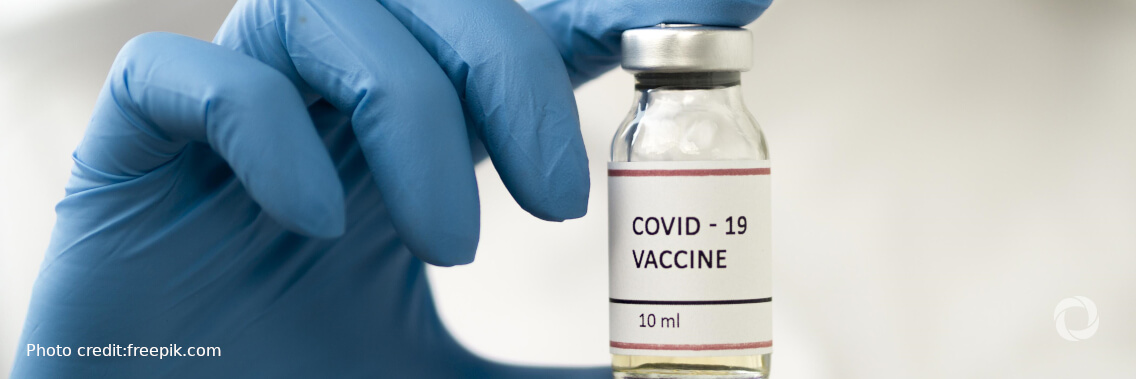
There needs to be a “collective commitment” to get vaccinations underway worldwide for health workers and others who are at high risk of catching COVID-19, within the next 100 days, said the UN health agency chief.
Tedros Adhanom Ghebreyesus, Director-General of the World Health Organization (WHO) was briefing journalists in Geneva, a year on from the first-ever recorded COVID-19 death. Today, there are more than 1.93 million dead, and nearly 90 million confirmed cases.
Limiting #COVID19 transmission limits the chance of dangerous new variants from developing. We need to:
-Keep physical distance as much as possible
-Keep rooms well-ventilated
–#WearAMask
-Keep our hands clean
-Cough away from others into your elbow pic.twitter.com/PLZn1RKZ6B— Tedros Adhanom Ghebreyesus (@DrTedros) January 11, 2021
“Governments, manufacturers, civil society, religious and community leaders, must come together to create the greatest mass mobilization in history for equitable vaccination”, said Tedros, noting that he was pleased a WHO team was in China to assess the compliance of Sinovac and Sinopharm – ahead of potential emergency use listing.
This is separate from another “WHO origins” mission team, whose access to Wuhan to study how the pandemic began, was delayed last week. That international team – “distinguished experts from 10 institutions and countries” – has begun its trip, in collaboration with colleagues in China, said Tedros.
“Studies will begin in Wuhan to identify the potential source of infection of the early cases. Scientific evidence will drive hypotheses, which will then be the basis for further, longer-term studies”, he added.
New variants
He said yet another new variant or mutation of the virus, had emerged in Japan over the weekend, while transmissibility “appears to be increasing”. Although the increased infectiousness can drive more cases, hospitalizations, and deaths, “at present, the variants do not seem to show increased severity of disease”, he added, offering some reassurance.
“With new treatments coming down the pipeline, we are hopeful that more lives of those with serious cases of COVID-19 can be saved. But we need to follow the public health basics, now more than ever.”
Sequencing crucial
Most critical, said Tedros, is to effectively sequence the DNA and composition of the virus, “so we know how it’s changing and how to respond”. There may be a need to “tweak” both diagnostics and vaccines in order to keep pace with the mutations, he said.